Artificial intelligence is advancing quickly across industries. According to Forbes, IT and telecommunications lead AI adoption at 29.5%, followed closely by the legal sector at 29.2%. Manufacturing, logistics, and other asset-heavy sectors are also moving from experimentation to large-scale deployment.
In subsea energy, the picture looks different. Despite vast operational datasets and strong interest from operators, AI adoption remains slow. This is not due to a lack of solutions. Start-ups are building advanced offshore tools, and operators are actively testing them in areas such as inspection, integrity management, and operations. The challenge is turning pilots into everyday operational capability.
The subsea asset integrity management company, Elementz, is addressing this challenge through their AI accelerator programme - Tide Breaker.
Where pilots lose momentum
Most innovation journeys follow the same pattern. A solution is built, tested through a pilot, and validated technically. Yet after success, progress often slows or stops altogether with several barriers emerging at this stage:
- Ownership is unclear. Innovation teams often lead pilots, while operations teams are expected to adopt the output.
- Procurement routes are not defined. Many start-ups do not fit traditional contracting frameworks, and delays in commercial approval can outlast pilot funding.
- Budget handover is fragmented. Pilots are often funded through R&D, while deployment sits in operational budgets, creating a gap no one fully owns.
- Integration is underestimated. Tools built outside existing offshore workflows can be difficult to embed into long-established systems, making deployment slow and disruptive.
As a result, strong technologies remain stuck in pilot mode, creating a cycle of repeated trials but limited scale adoption.
Why pilots rarely scale
Traditional innovation models tend to treat deployment as the final stage. By then, it is often too late to resolve the structural gaps that determine adoption. Thus, it leads to increasing “pilot fatigue” across the subsea sector. Innovation activity is high, but implementation remains limited.
For operators managing complex offshore assets, this is a missed opportunity. AI has potential to improve predictive maintenance, anomaly detection, and inspection planning, but value is only realised when tools become part of daily operations.
Building a bridge with Tide Breaker and Elementz
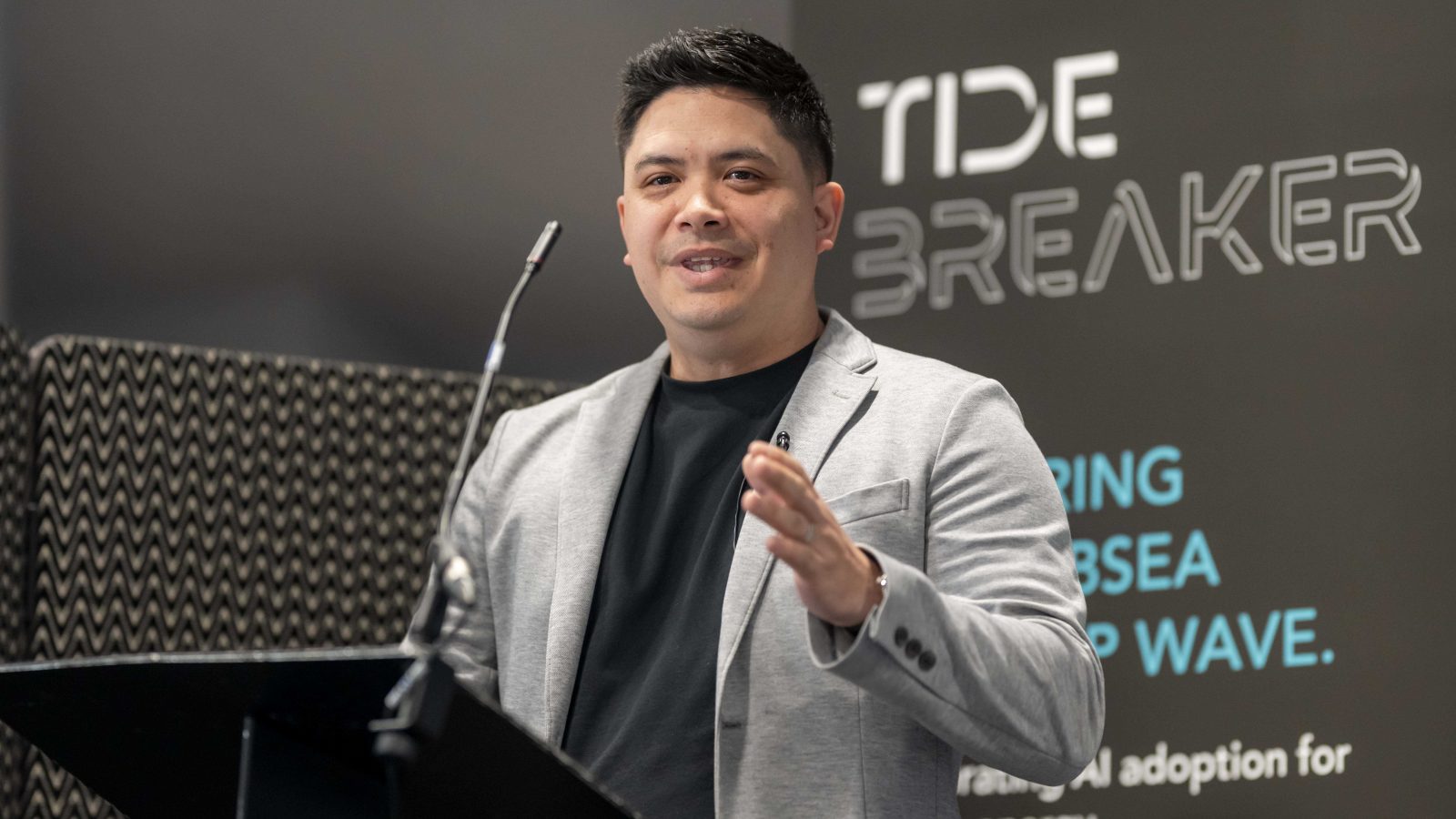
To address this gap, Elementz developed Tide Breaker, an AI accelerator programme designed specifically for the subsea sector.
Tide Breaker brings operators, technology providers, and industry partners together in a structured environment with focus on deployment from the start. Rather than running isolated pilots, it supports co-creation using operational context, shared governance, and access to subsea data.
Backed by Elementz advisory board of operators named Compass, The Data Lab, and ONE Tech Hub, the programme shifts the focus from proving technology to embedding it into operational workflows.
The first cohort is already underway, with two technology companies working directly in a dedicated subsea AI testing environment. Using live operational datasets, they are developing solutions aligned with the operator challenges from day one.
From pilot to practice
By aligning operators and innovators earlier, combined with designing for integration and ownership from the outset, Tide Breaker aims to turn successful pilots into deployed subsea capability.
Join the Blue Digital Ecosystem and connect with the next cohort of subsea innovators and operators shaping practical AI adoption across the industry. Visit tidebreaker.digital