We recently sat down with Ross Wilson to talk about something he's incredibly passionate about - Mental Health First Aid and why it's becoming one of the most valuable investments an organisation can make.
Ross is a former Royal Marine Sniper who has operated in some of the toughest environments in the world. Throughout his military career and beyond, he's experienced and witnessed many forms of trauma and today, he uses those lived experiences, alongside his professional knowledge, to help others build resilience, recognise the signs that someone may be struggling and create healthier workplace cultures.
As one of the key deliverers of our Mental Health and Wellbeing training programme, we asked Ross why Mental Health First Aid matters so much.
"Not all stress is bad - People often think stress is something to avoid completely," Ross explains. "But that's not the case. In the right environment, people thrive under "stretch" conditions - It’s how we learn, it sharpens our skills and find truer fulfilment in purposeful work.
However when stretch turns into "strain", everything changes. Burnout brings poor judgment, chronic fatigue and indecision. Performance plummets, outputs decline, and individuals risk severe mental and physical breakdown. For employers, the incentive to intervene isn't just a moral, it’s a commercial imperative.
For the past two years, I’ve been fortunate to work with an incredible mental health initiative, predominantly within rural and agricultural, but also other sectors and it’s given me the chance to connect with a diverse mix of people, deepening my own understanding of human nature while qualifying them in Mental Health First Aid (MHFA).
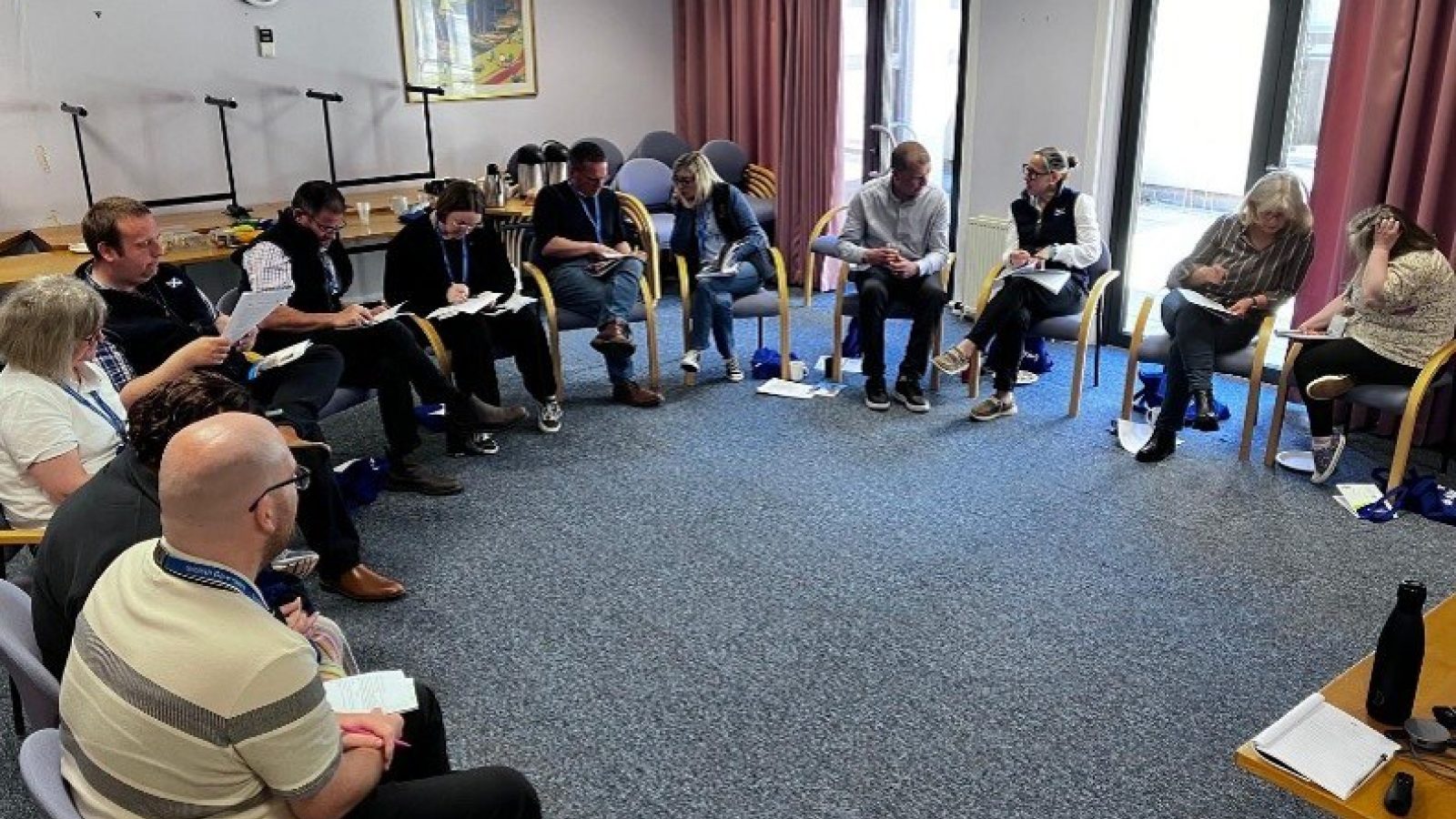
Mental Health First Aiders are more than crisis responders
While many people think of Mental Health First Aiders as those who respond during a crisis, Ross believes their greatest value comes long before a crisis ever develops.
"I like to think of them as First Preventers."
It's a phrase that perfectly sums up the role.
"A First Preventer is someone who keeps a finger on the pulse of the workplace. They notice when someone isn't quite themselves. They check in, ask questions without judgement and genuinely care about how people are experiencing their day."
Rather than waiting until someone reaches breaking point, First Preventers help reduce pressure before it escalates.
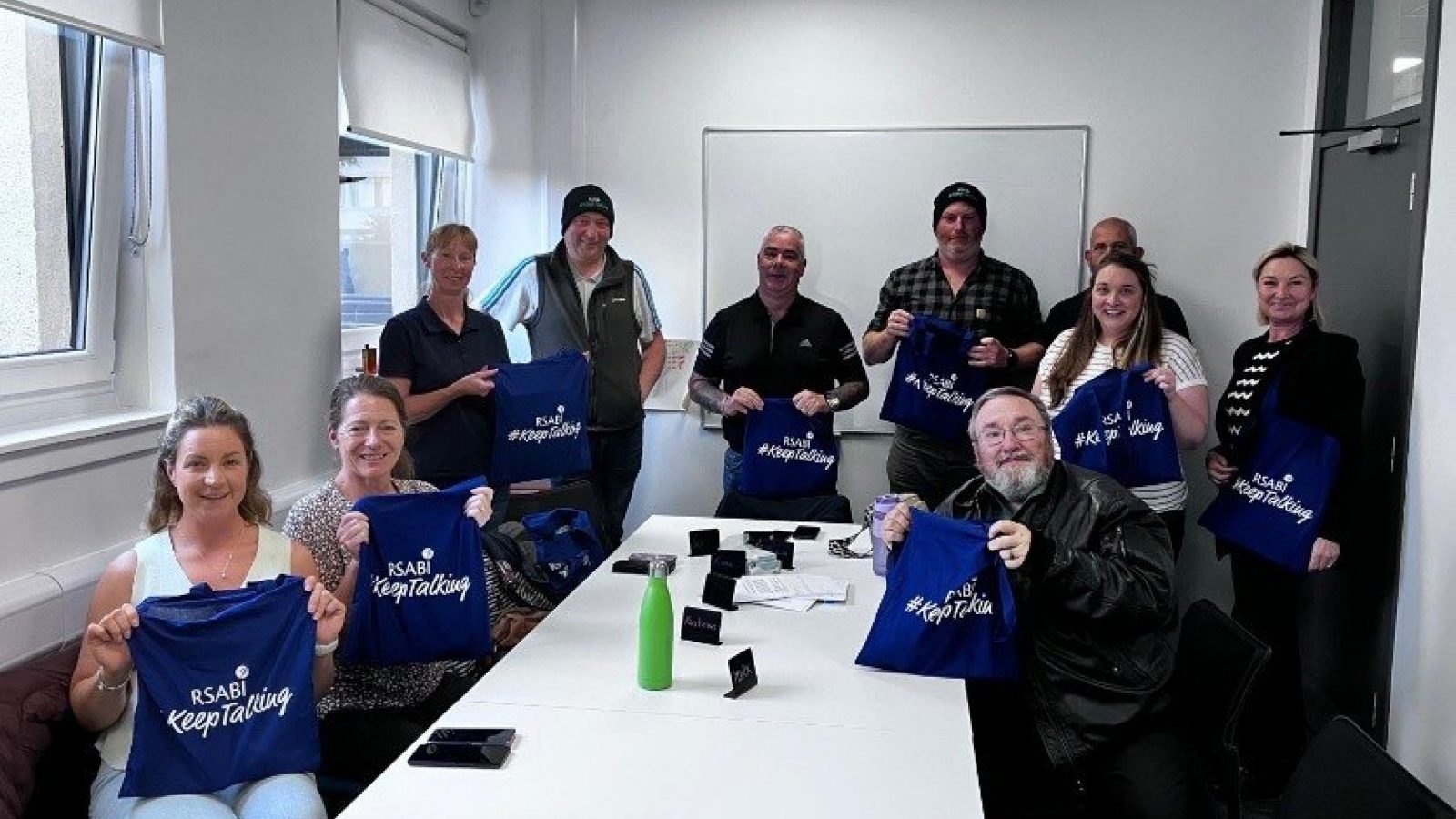
You can't measure the crises that never happened
One of the most interesting points Ross shared was that the success of a Mental Health First Aider often goes unnoticed.
"The reality is you'll probably never know how many difficult conversations, absences or crises you've prevented."
By building trusting relationships and encouraging open conversations, Mental Health First Aiders help colleagues maintain good mental fitness, giving them the tools and support they need to cope with life's inevitable challenges.
Sometimes, simply knowing that someone is there to listen can make all the difference.
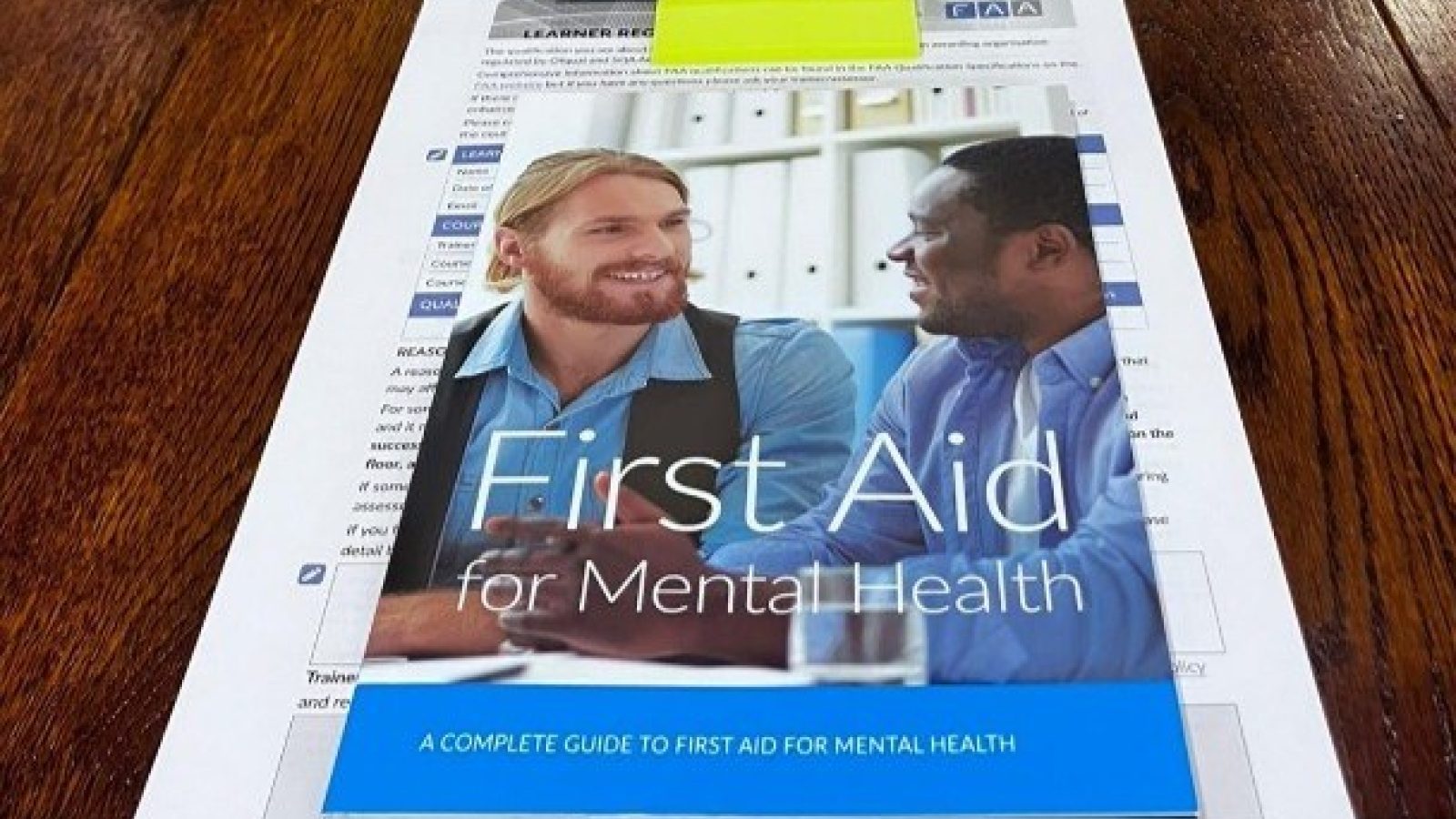
Protecting your workplace culture
For Ross, Mental Health First Aid isn't simply about supporting individuals - it's about protecting the culture of an entire organisation.
"When people feel supported, connected and valued, workplaces become stronger. Teams communicate better, people stay longer and performance naturally improves."
He believes organisations that invest in their people create environments where employees don't just survive at work – they thrive.
"If you want to build a workplace that attracts and retains great people, invest in your people strategy. Invest in your First Preventers. They don't just protect minds – they protect your culture."
At the heart of every successful organisation are its people. Giving them the confidence and skills to support one another isn't just an investment in wellbeing; it's an investment in the future of your business.