When budgets tighten and pressure increases, risk doesn’t disappear – it shifts, often showing up in skills gaps, decision-making and leadership capability.
How businesses respond to these challenges can make the difference between small issues escalating and long-term business success.
I have found over the years that when pressure rises training is one of the first things to be paused or pushed down the list. It’s an understandable reaction, I am absolutely guilty of doing this myself, but it’s also one of the highest-risk decisions a business can make.
At Rizon, we work with businesses operating in complex, high-risk environments every day and what we see time and again is that risk doesn’t disappear when training stops, it quietly increases and when it shows up, the cost of getting it wrong almost always outweighs the cost of investing in people in the first place.
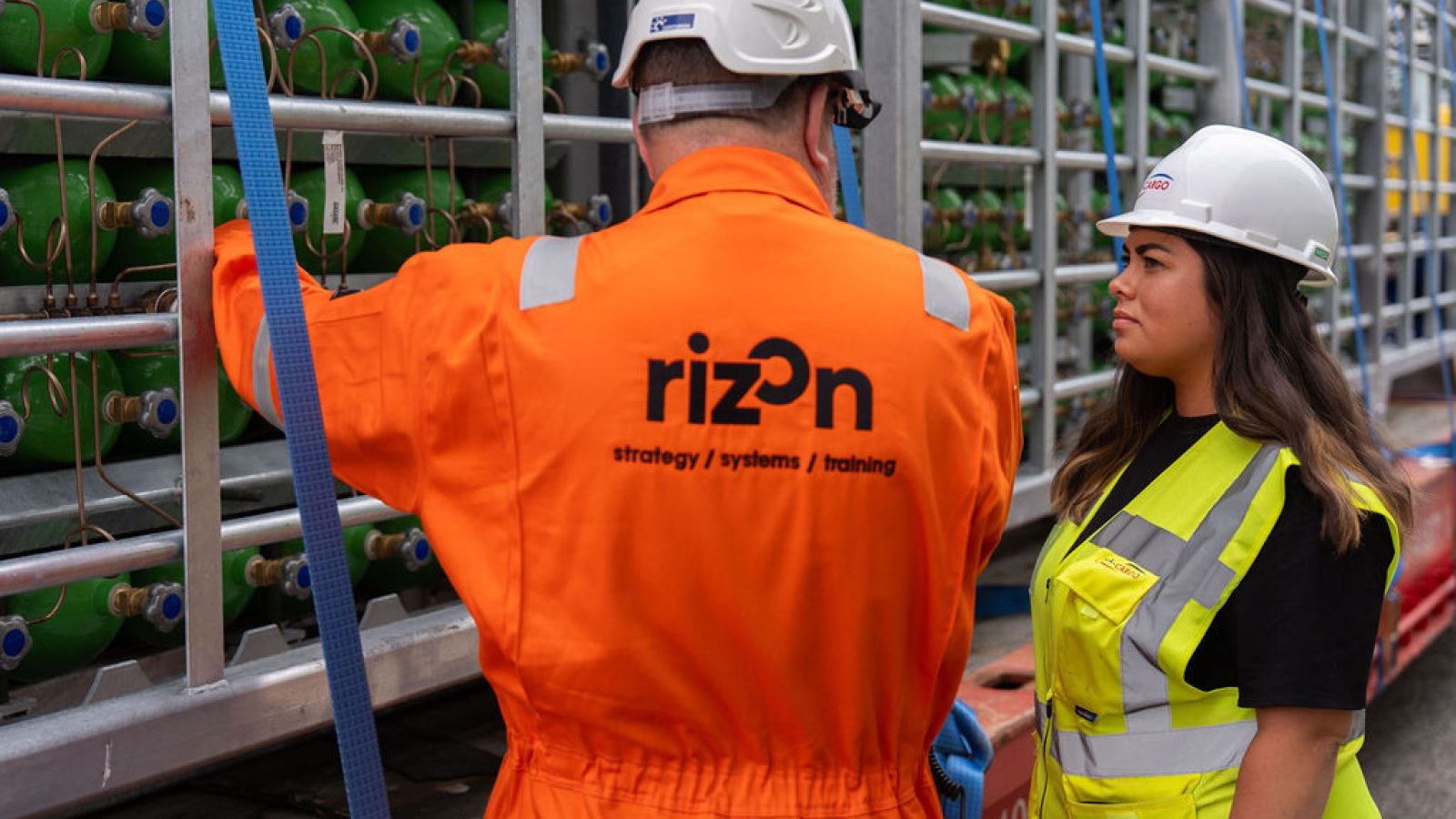
Risk Isn’t Just a Safety Issue – It’s a Business Issue
Risk shows up in many forms. Sometimes it’s really obvious – an accident, a near miss, a compliance failure and other times it’s slower and less visible: poor decision-making, miscommunication, rising stress levels, reduced confidence and inconsistent performance. In my experience, these risks are rarely isolated, they’re connected.
An under-trained team member is more likely to make errors. A supervisor without leadership support may struggle to manage pressure, deadlines or difficult conversations. A business without strong leadership capability can find small problems escalating quickly because no one feels confident stepping in early.
According to the UK Health and Safety Executive, the financial cost of workplace injury and ill health runs into billions of pounds each year and when you factor in lost productivity, investigations, legal action, increased insurance premiums and reputational damage, the true cost of failure is far greater than the headline figures – And safety incidents are only one part of the picture.
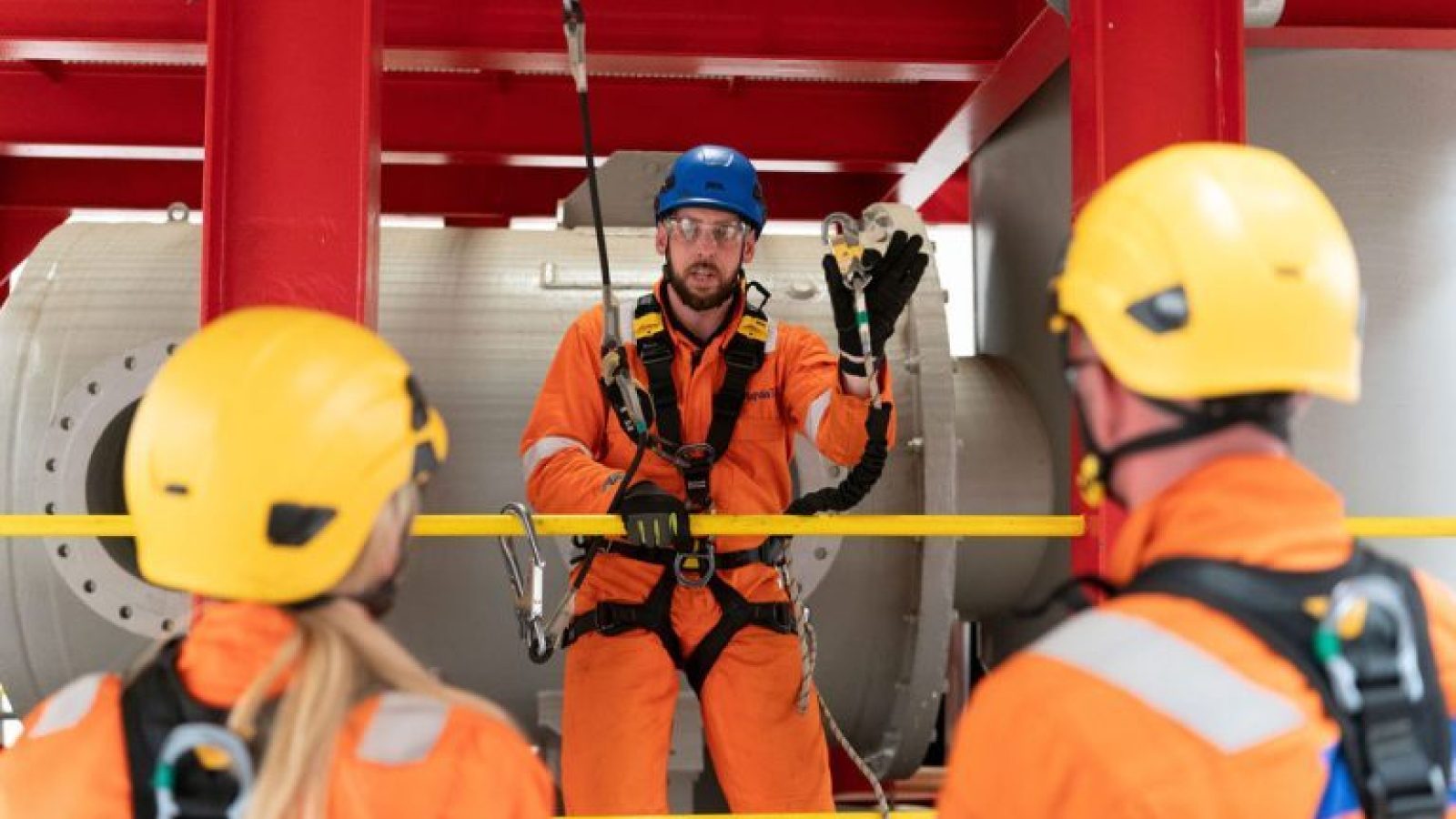
When Skills Gaps Become Business Risk
When financial pressures kick in, teams become leaner and workloads increase. Individuals are often expected to take on broader responsibilities – sometimes without the skills, support or confidence to do so safely and effectively.
This creates risk in subtle but powerful ways:
- Tasks are rushed rather than done properly
- Issues are communicated poorly or too late
- Decisions are delayed or made without enough information
- Stress and pressure impact judgement and behaviour
Research consistently shows that businesses investing in structured training experience higher productivity, better retention and fewer costly errors, even during economic downturns. Businesses that cut training may save money short term but they often pay for it later through rework, turnover, incidents and disengagement.
Leadership: The Hidden Risk Multiplier
I believe that one of the most underestimated areas of risk in any business is leadership capability.
Many leaders are promoted because they’re technically strong, not because they’ve been trained to lead people. I have been guilty of promoting these people in the past too and had to face the consequences of that. We expect them to manage performance, communication, wellbeing and change – often learning through trial and error – In high-pressure environments, this can very quickly become very dangerous.
Poor leadership doesn’t just affect morale; it affects safety, consistency and decision-making. Misunderstandings increase. Issues aren’t escalated early. Teams lose confidence and the gap between policy and practice widens.
Strong leadership, on the other hand, reduces risk across the board. Leaders who communicate clearly, understand behaviour under pressure and support their teams effectively create environments where people speak up, follow processes and perform consistently, even when things are challenging.
The Cost of Getting It Wrong
When something goes wrong, the impact is rarely contained.
A single incident can trigger:
- Production delays or shutdowns
- Regulatory intervention
- Legal costs and compensation
- Loss of client trust
- Increased staff turnover
- Long-term reputational damage
And these outcomes don’t just affect balance sheets, they affect people.
The reality is that training is one of the most effective forms of risk control a business has. Not as a tick-box exercise, but as a way to build competence, confidence and capability at every level of the business.
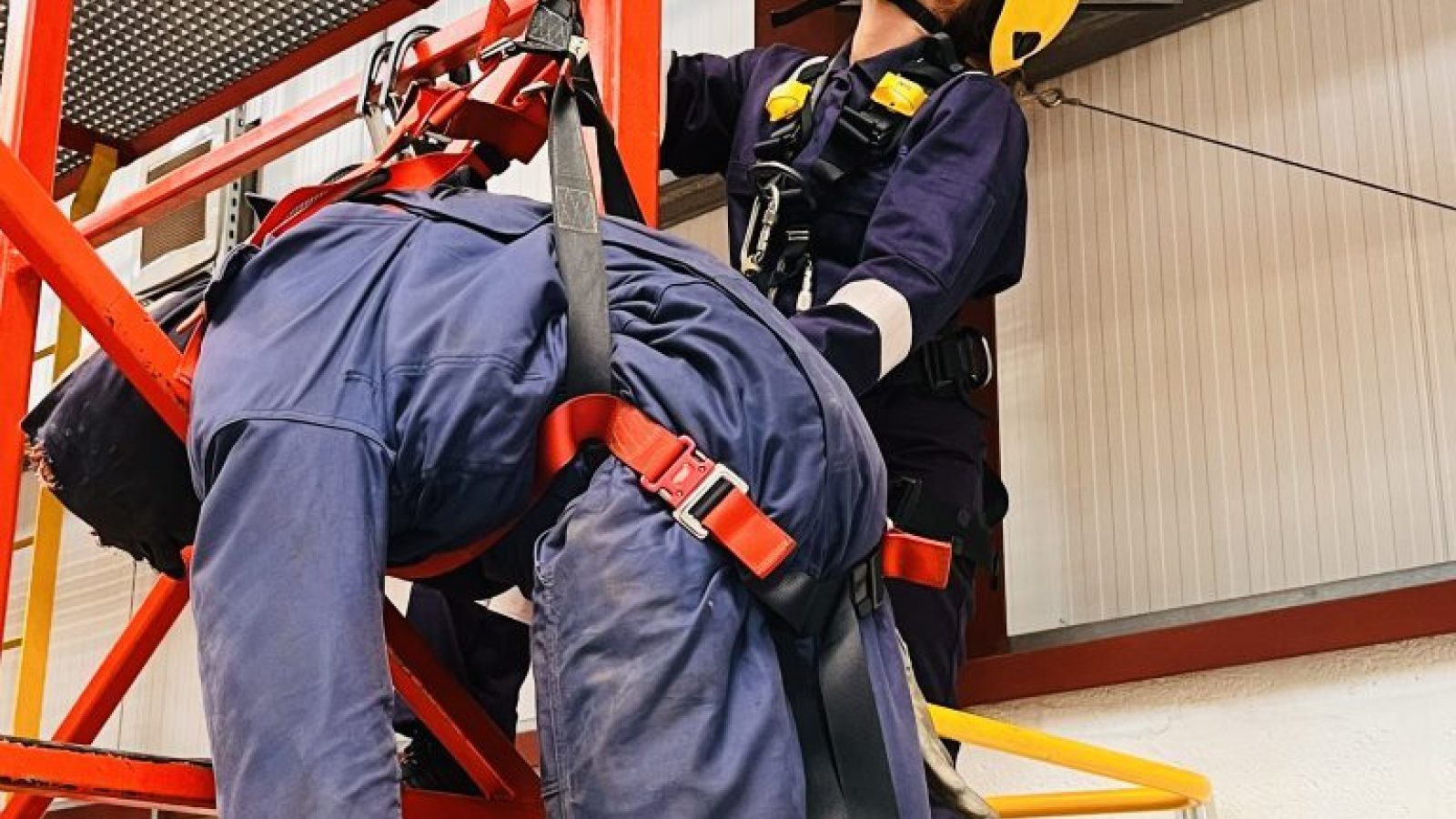
A Smarter Approach to Reducing Risk
Reducing risk isn’t about doing more training, it’s about doing the RIGHT training.
At Rizon, we take a connected approach. Safety, operational skills and leadership development aren’t separate conversations, they’re part of the same system. People need the technical knowledge to work safely, the confidence to make good decisions and the leadership capability to support others when pressure is high.
That’s why our training focuses on real environments, real behaviours, and real challenges. From safety-critical and compliance training to leadership development and apprenticeships, everything we deliver is designed to help businesses reduce risk, strengthen performance, and build resilience for the future. Our trainers are honestly some of the best I’ve ever met and its because they have all worked in high-risk, high-pressure environments themselves, they bring practical experience that takes our training to the next level. This isn’t just theory; it’s knowledge shaped by real-life experience.
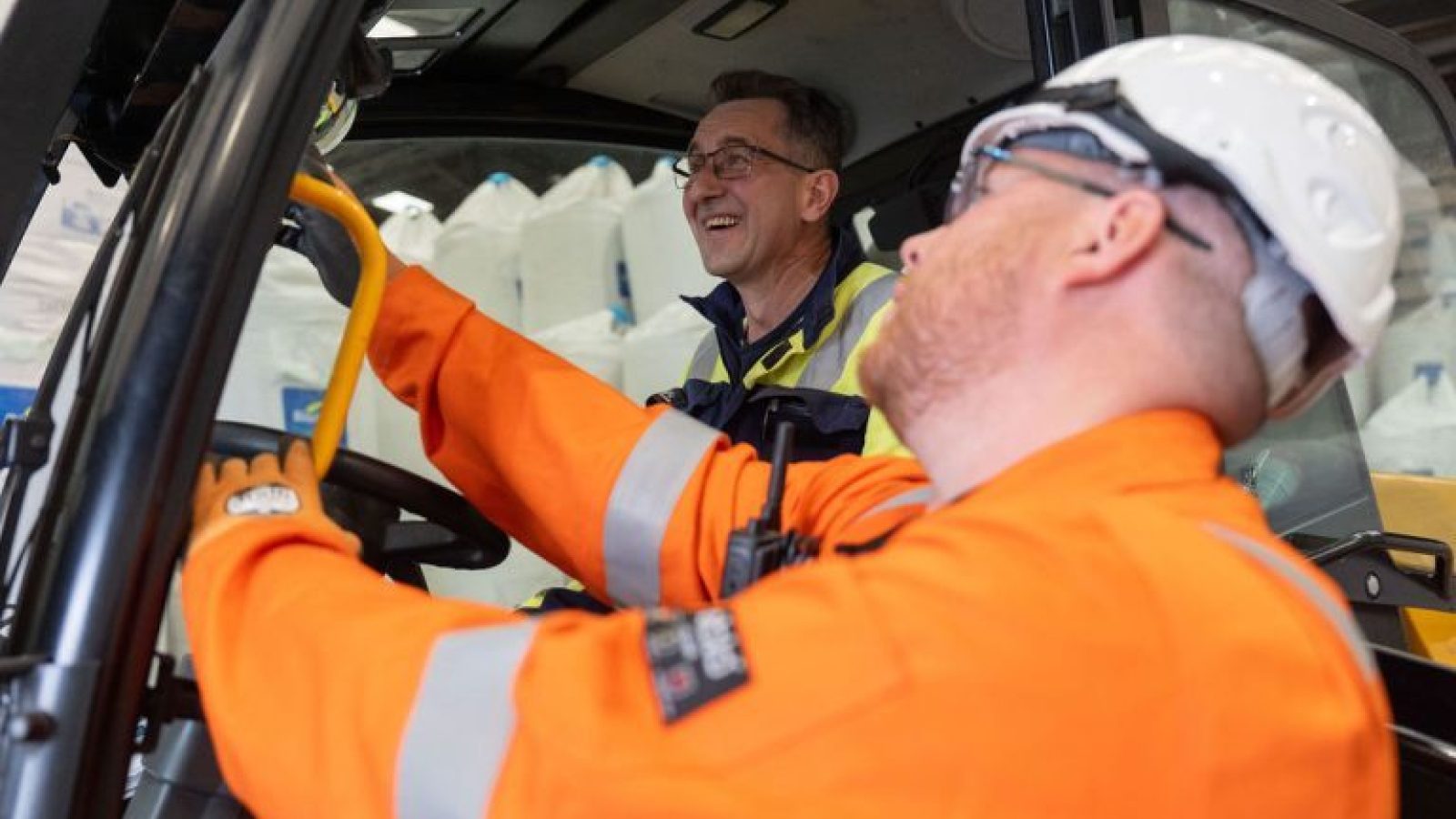
Investing in the Right Places
In challenging times, the question isn’t whether businesses can afford to invest in training, it’s whether they can afford not to.
Reducing risk means protecting your people, your reputation and your future performance. It means creating teams that don’t just react when things go wrong, but prevent issues before they escalate.
As we move into 2026, my key message is clear: businesses that prioritise capability, leadership, and skills will be best placed to navigate uncertainty and emerge stronger. I was delighted to read that the latest Bank of Scotland Business Barometer shows that 46% of Scottish businesses plan to invest in upskilling their teams, highlighting that businesses are increasingly recognising the true value of training whilst setting their sights on team development as a key driver of growth and resilience in the year ahead – you can read more here: Scottish businesses set sights on team training to drive growth in 2026
At Rizon, we’re here to support that journey every of the way and very much look forward to working with you!
Explore our full range of courses here: https://rizontraining.com/course/
Get in touch with our team today to explore how we can support you: Bookings@Rizontraining.com