Did you know, silicosis remains one of the most dangerous occupational health threats facing UK workers? In fact, 500 construction workers are believed to die each year from silica dust exposure with respiratory diseases costing the NHS £10billion annually.
That’s why Arco launched ‘Breathing Space’, a new campaign to highlight the growing threat of silicosis and its prevention. As part of our focus on silicosis prevention, we’re raising awareness of how to prevent silicosis at work and promoting best safety practice.
And it forms part of our wider work calling for greater awareness, improved protections and stronger action to safeguard workers from silicosis, and other potentially fatal occupational lung diseases.
Understanding silicosis
But what is silicosis, how might it affect your employees, and what can you do to protect your staff? Knowing how to prevent silicosis starts with recognising where exposure occurs.
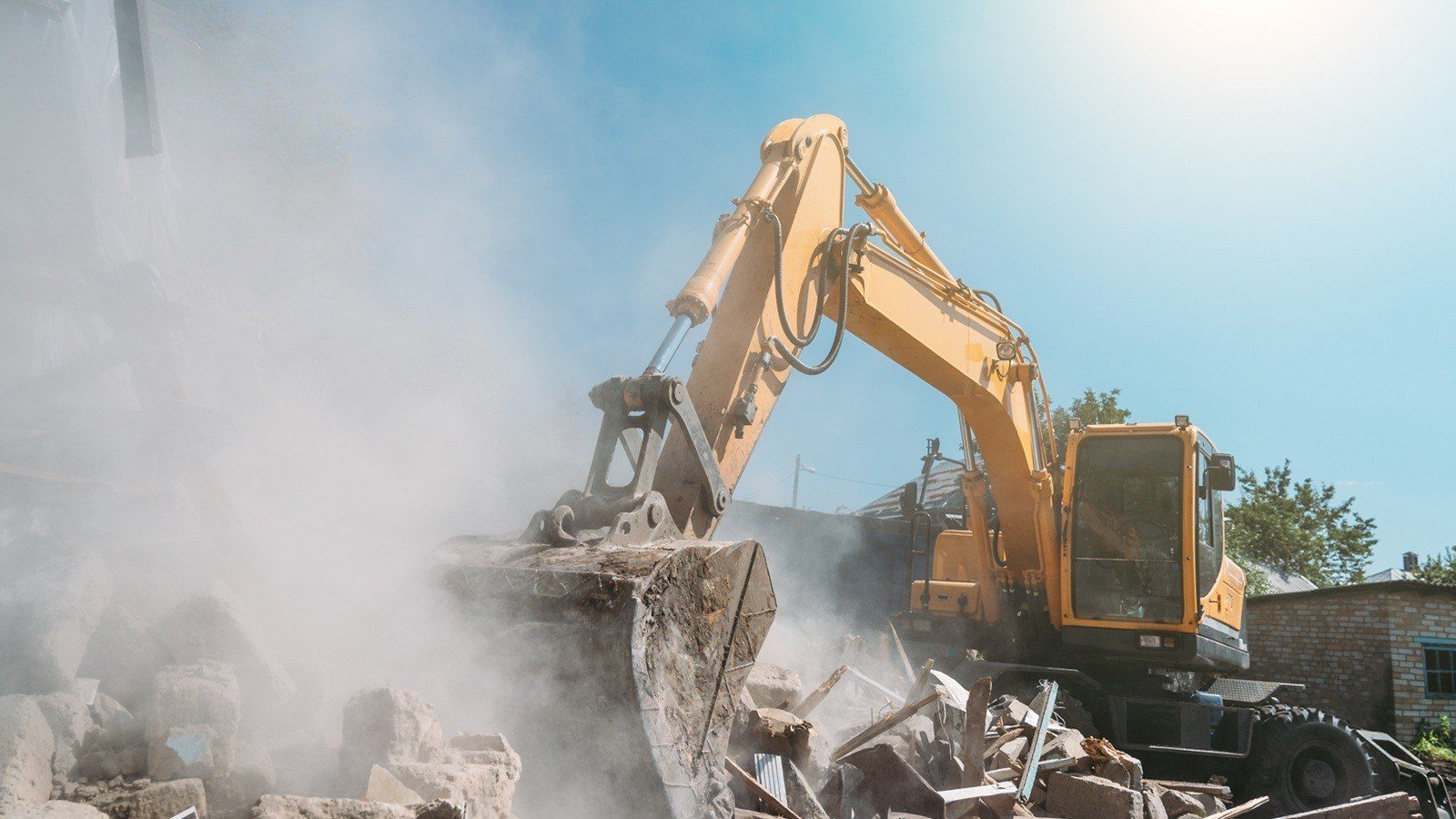
Firstly, silicosis is a progressive and incurable lung disease caused by inhaling respirable crystalline silica dust. This is commonly generated during activities such as cutting, drilling or grinding materials including concrete and stone.
Early symptoms can include breathlessness, fatigue and a persistent cough, with some severe cases leading to disability, premature death and an increased risk of secondary conditions, including tuberculosis and lung cancer.
These realities underline why silicosis prevention is essential and why understanding how to prevent silicosis must be embedded into training and supervision.
While silicosis typically develops after 10-20 years of exposure, higher levels of silica dust can cause a more rapid onset. The economic impact of silicosis is also significant, with occupational lung diseases believed to account for more than 400,000 lost working days each year in the UK.
Employer responsibilities
Under the Control of Substances Hazardous to Health (COSHH) Regulations 2002, employers must limit workers’ exposure to silica dust. That includes conducting thorough risk assessments and deploying measures such as dust extraction and wet cutting methods.
Preventative action must also be prioritised. Employers should implement effective controls to remove dust at source, ensure proper ventilation and provide appropriate respiratory protective equipment.
Monitoring crystalline silica levels through real-time exposure technology is also critical to protecting workers and maintaining workplace compliance. Continuous monitoring, aligned with COSHH silica guidance supports silicosis prevention and helps identify further opportunities to implement best practice.
Expert safety support
Despite the scale of the issue, silicosis is an entirely preventable disease when the correct workplace controls are in place. By shining a spotlight on the issue, Arco is aiming to spark crucial conversations – and inspire immediate action – to combat a disease that often develops silently, over decades.
And as an expert safety partner, we’re ideally positioned to help businesses implement control measures through a strategic, end-to-end approach across the hierarchy of control. This combines safety products, training and consultancy to empower organisations to effectively manage workplace hazards.
From selecting the right equipment to embedding best practice, we can help translate COSHH silica guidance into everyday action for robust silicosis prevention and reduced silica dust exposure.
For more information about Arco’s research into silicosis, visit: arco.co.uk/pr/what-is-silicosis