We sat down with our Business Development Manager, Caryn to learn more about the upcoming event ‘When Things Go Wrong’ and why its important that leaders, H&S reps and decision makers should all be attending.
I’ll be honest, like most people, I’ve probably been guilty of taking the approach of “but that’ll never happen to me.” However lately, after lots of thought provoking conversations and spending so much time with people operating in high-risk environments it has made me acutely aware of just how often incidents do happen and how quickly things can start to go very wrong.
Why? Because we’re humans and we work with humans and no matter how much training we’ve had or how much training we give our staff we still take shortcuts despite knowing the risk. We still become complacent and we still continue to tell ourselves, “ but I’ve always done it this way, and nothing’s ever happened before.”
Sometimes though, thing do go wrong and it can be catastrophic.
Of course, preventing incidents from happening in the first place has to be the priority and that’s a huge part of what we do at Rizon - We work with businesses to help keep their people safe, build competence and reduce risk.
Ove the last year though the more I’ve learnt, the more I’ve realised that there’s another side to this conversation that we don’t always talk about enough: What happens when all those preventative measures aren’t enough?
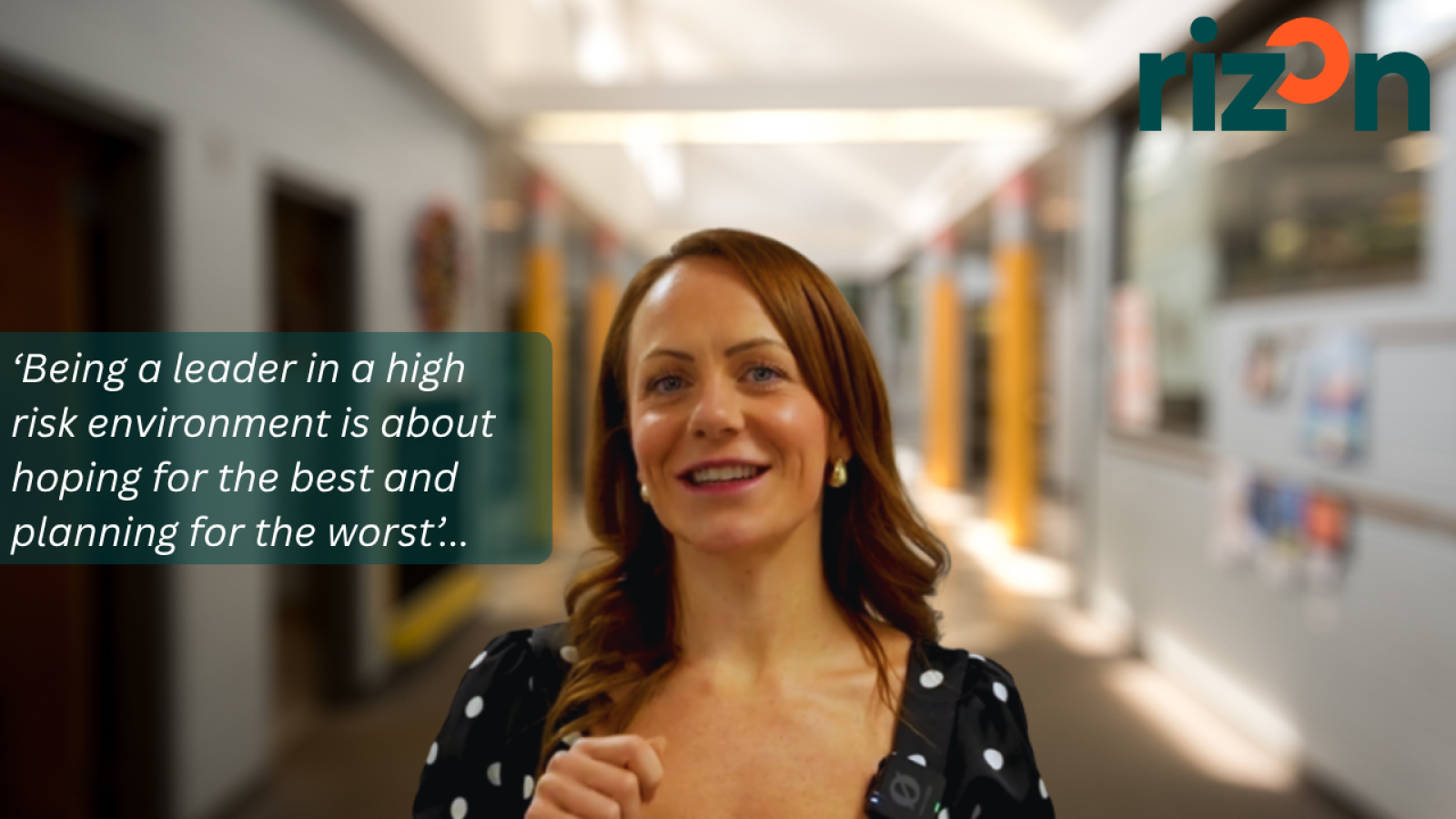
Preparing for the worst, not just hoping for the best
One of the areas I’ve been particularly fascinated to learn more about recently is incident command training and what it really takes to manage an incident when it happens.
For me, it’s really brought home just how complex managing a crisis can be and how in an already pressured situation, there are so many things to think about, and so many ways in which things can become even more difficult if the response isn’t handled correctly.
It’s also made me realise that managing an incident goes far beyond the immediate response. It’s not just about dealing with what’s happening in the moment; it’s about making sure the right processes are in place to manage everything that follows.
That includes keeping accurate records of decisions and actions, ensuring information is shared appropriately, and making sure there’s a clear record of events to support a thorough investigation and allow lessons to be learnt. It’s also about understanding who is responsible for what, how different people and teams work together, and how decisions are made when the pressure is on.
But beyond the processes and practicalities, there’s also a very human side to managing an incident, and this is something that has really stayed with me.
Take family liaison, for example. Before learning more about this, I think I’d mainly considered the initial conversation: how you tell a family that something has happened and how you handle that incredibly difficult moment.
What I hadn’t fully appreciated was that family liaison can continue for months after an incident. It can involve ongoing conversations, difficult questions, emotional demands and a significant commitment of time from the person taking on that responsibility.
We also live in a digital world where images and videos can be captured on phones and shared online within minutes. Imagine a family seeing footage of an incident involving their loved one on social media before they’ve even been contacted. It really brings home how important it is to think carefully about what information is shared, who receives it and when. In an already devastating situation, getting this wrong could add even more distress for those affected.
And family liaison is just one part of the picture. There’s also the coordination of emergency services, managing security, ensuring the scene is safe and considering the needs of everyone else who may have been involved or witnessed something deeply distressing, including colleagues, friends and bystanders.
It’s a huge amount of responsibility, often falling on people who may themselves be dealing with the shock and pressure of what’s happened.
So, have you ever stopped to think about who in your business would take on these responsibilities?
Who would coordinate the response, make and record critical decisions, communicate with families, support those affected and manage the many challenges that follow?
And perhaps just as importantly, would those people know what to do, and would they feel equipped to handle it?
These are difficult questions, but they’re ones I think every organisation needs to consider before an incident happens, rather than trying to find the answers in the middle of a crisis.
Having a plan is one thing. Being ready to put it into action is another.
The more conversations we have with businesses, the more I realise that while many organisations invest in preventing incidents, they may not have given the same consideration to what happens if something goes wrong.
Who takes control? How are decisions made and recorded? Who communicates with the people affected? And how do you make sure the right support is in place, not just in the immediate aftermath, but in the weeks and months that follow?
These aren't questions we should be asking for the first time in the middle of a crisis.
At Rizon, we firmly believe prevention is essential but we also recognise that training needs to go beyond prevention alone. Organisations need to consider how prepared their people are to respond when the unexpected happens and that why we wanted to bring together experts in this field and create an opportunity to explore these challenges in more detail.
Introducing ‘When It Goes Wrong’
Our When It Goes Wrong event delivered in partnership with Inverroy Crisis Management is about having the conversations that are sometimes uncomfortable, but incredibly important.
It’s an opportunity for leaders, Health & Safety professionals and HR teams to look beyond their existing policies and procedures and ask themselves a bigger question: if something went wrong tomorrow, would our people really know what to do?
We’ll be exploring the realities of managing incidents, the importance of having the right people and processes in place, and the human challenges that can continue long after the incident itself.
I am hoping that leave with a different perspective on preparedness - understanding that it isn't simply about having plans sitting in a folder. It’s about ensuring people understand their roles, have the skills to respond and feel equipped to make difficult decisions when the pressure is on.
None of us wants to imagine an incident happening in our organisation but perhaps the most responsible thing we can do is recognise that it could happen and make sure we’re as prepared as we can be.
We are really looking forward to working with the Inverroy Crisis Management Team to bringing people together for When It Goes Wrong and opening up these conversations.
Make sure you don’t miss out on this fantastic opportunity, secure your free spot today: https://www.eventbrite.co.uk/e/when-things-go-wrong-tickets-2001159821897?aff=oddtdtcreator