In November last year the British Chamber of Commerce Guyana hosted an event at Chelsea Football Club to highlight the opportunities in Guyana for UK companies.
The Minister for Tourism and the Head of the Guyana Office for Investment were clear in their messages – the opportunities are there, it was for UK companies to take them.
Whilst the talk at Chelsea was not only of oil and gas there is an obvious opportunity for Aberdeen and the North-East to get some business in the fastest growing economy in the world.
Several UK companies are already active there. Fulkrum announced at the end of October that they had achieved local content certification in country. Something which is important to allow external companies to operate. In January EnerMech was awarded a new subsea contract by Saipem for pre-commissioning work in the Whiptail field.
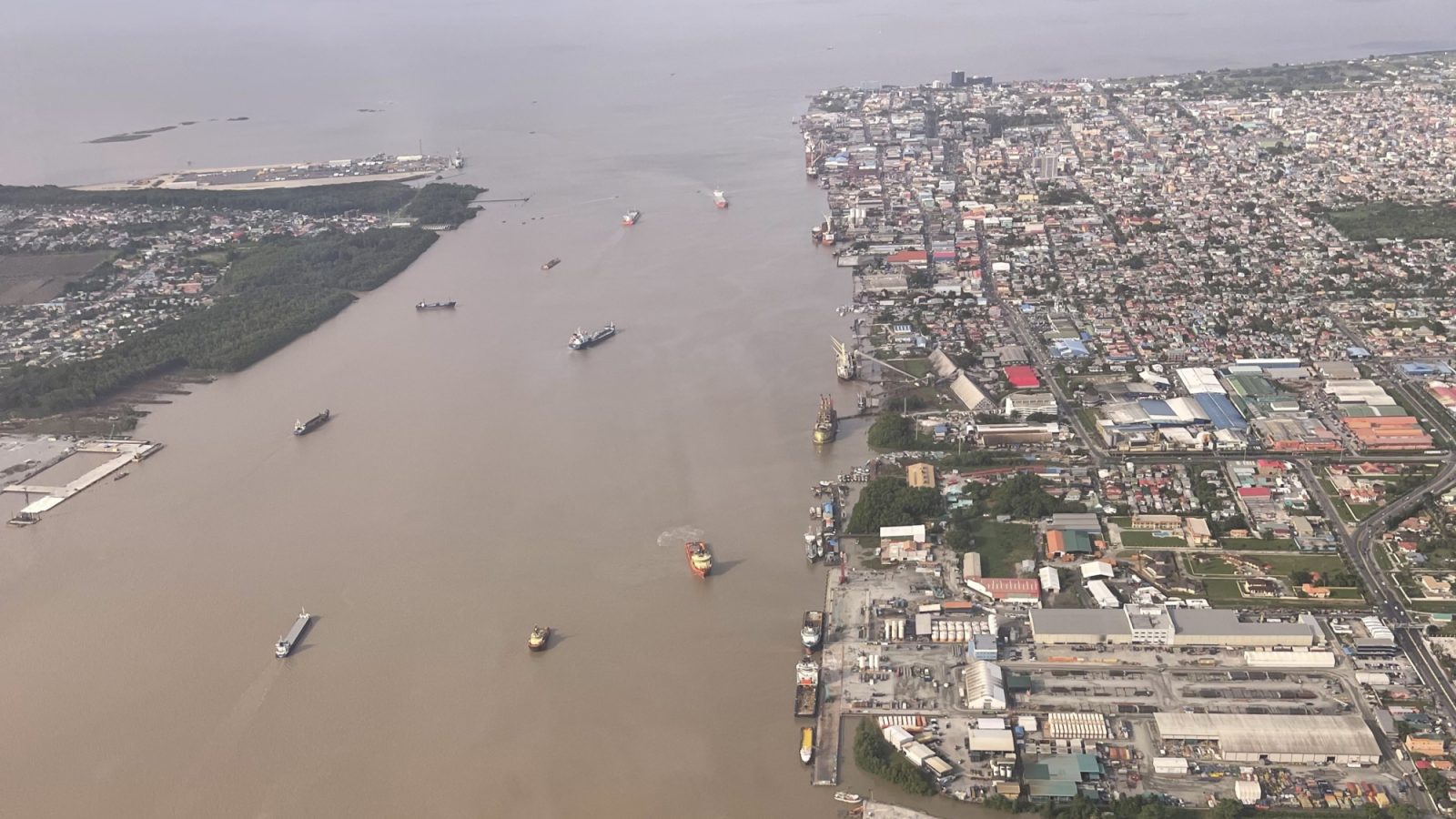
Why am I raising this?
Companies active in the North Sea, across Aberdeen and the North-East, are already looking at other places to invest and operate. This is not only because the North Sea is a declining resource, but because of the punitive windfall tax and regulatory regime which is making any investments in the region increasingly unsustainable or economically viable. Companies are, rightly, therefore looking elsewhere.
And Guyana is a place to look. Brett Jackson’s granitpr has, since 2018, highlighted the opportunities through the annual Aberdeen-Guyana Gateways. I’ve been happy to be involved with these from the beginning. Several hundred delegates and the companies they represent have, over that period of time, heard of the opportunities – and challenges – which exist in Guyana.
Several of those companies have taken up the challenge and looked to operate there. Many with great success.
It is time for more to do so. The Guyana investment climate is welcoming. They are keen to have Scottish companies involved in operations there and they want to diversify suppliers away from the US which (thanks to Exxon’s involvement, but also the crazy refusal of the UK Government to support companies involved in oil and gas) dominates the industry there.
Aberdeen, the North-east, and its companies have much to offer.
But Aberdeen should not assume that, because of its history and experience, it will be able to walk into the market.
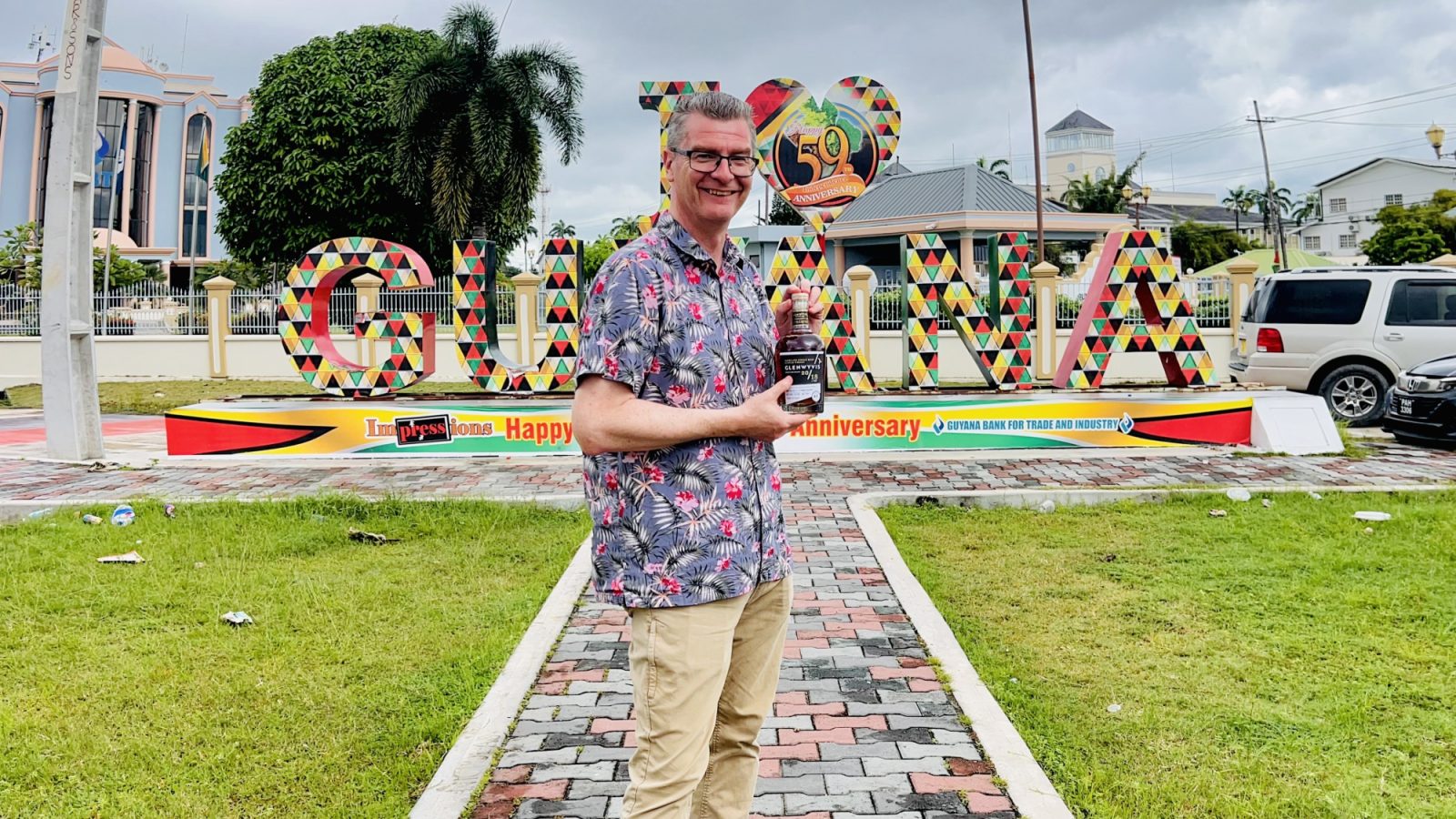
Having a local partner will be key. Local content rules are tightening. No company (unless it is subcontracting to another already operating there) should expect to win business without such a partner. The correct attitude will also be important.
There is no question of someone coming in and telling Guyana what to do, and being welcomed to do so. This is about partnerships. Sharing experience and building capacity. A company with the right attitude will find a more welcoming environment and one which will see complete Government support.
Like all markets Guyana has its challenges, but they are far from being insurmountable.
So I would encourage any company looking to new markets and new opportunities to consider Guyana. There are many business organisations in country. There is a welcome waiting and there is a desire to see the UK involved.
It’s a pleasant change from dealing with the UK Government.
The UK’s loss can most definitely be Guyana’s gain …
About the author
Greg Quinn OBE is a former British Diplomat who has served in Estonia, Ghana, Belarus, Iraq, Washington DC (seconded to State Department), Kazakhstan, Guyana (as High Commissioner), Suriname (as Ambassador), The Bahamas (as High Commissioner), Canada (as Consul General Toronto and Calgary), and Antigua and Barbuda (as resident British Commissioner) in addition to stints in London. He now runs his own government relations, business development and crisis management consultancy: Aodhan Consultancy Ltd (www.aodhaninc.co.uk).