Across multiple sectors, increasingly I hear the same frustration from leaders: “They don’t turn up to interviews… and sometimes they don’t even turn up to start the job they’ve been offered!”
It’s tempting to label this as poor work ethic or a bad attitude. And whilst there will be an element of this, after 35 years working at every level within global organisations, I can assure you: much of this problem is not about the candidate - it’s a leadership and culture issue.
Not only have younger job applicants lived through working flexibly from home as their norm, but many have also watched their parents being slaves to their employers - exhausted, stressed and not present for their families. Younger people don’t want this and are making very deliberate choices about who they want to work for - and just as importantly, who they don’t!
What’s really going on?
Today’s emerging workforce is doing far more research than we ever did. They check your website, your social media, and your Glassdoor reviews. They listen to how people talk about your organisation. They notice the gap between what your values statements say versus what you do.
If your recruitment process feels cold, overly transactional, or remotely old-fashioned, many candidates quietly disengage - not necessarily because they’re rude, but because they don’t see a future where they’ll be valued.
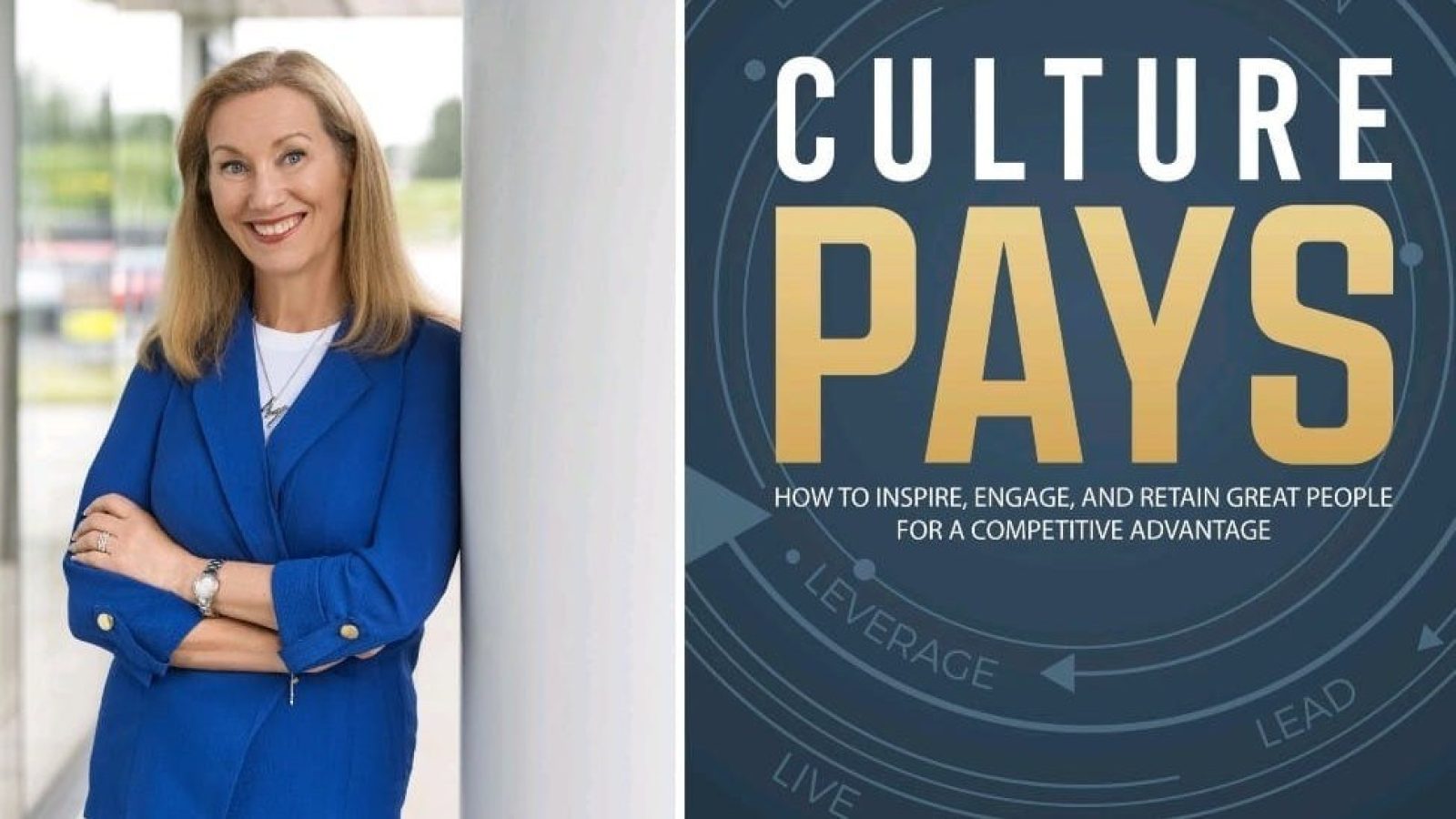
Culture is now your strongest recruitment tool – and it pays!
Remuneration still matters but it’s no longer enough.
Younger applicants want:
- Leaders who truly listen
- A sense of purpose beyond profit
- Visible commitment to wellbeing and growth
- Authenticity - not fancy slogans
- Trust, flexibility and respect
If your culture doesn’t demonstrate these things early in the recruitment journey, candidates will walk.
According to Glassdoor’s Global Hiring Trends, “77% of job seekers consider a company’s culture before applying, and 56% say culture matters more than compensation.”
Leaders who wish to attract and retain the best talent must pay close attention to this accelerating trend. Even during a cost-of living crisis, Millennials and Gen Z workers are making it clear that company values are increasingly a deal-breaker.
The expectations of this burgeoning demographic are borne out by data from LinkedIn where entry-level job ads that reference company values increased by 154% in the last two years (as at 2025), and postings that include details of their culture, such as well-being and flexibility receive almost three times more views and twice the number of applications than they did two years ago.
Retention starts before day one
You attract and retain people by attracting the right people for the right reasons in the first place.
That means:
- Being honest about expectations and pressures
- Involving future colleagues in interviews to help with ‘fit’
- Demonstrating what ‘good’ looks like in your culture
- Treating every interaction as a signal of how they’ll be treated once hired
The interview is no longer a test of the candidate - it’s a test of you.
The leadership shift that’s required
The organisations that are attracting and retaining the best talen are led by people who understand this simple principle: people stay where they feel seen, heard, and valued.
That requires leaders to prioritise:
- Curiosity over certainty
- Coaching over fixing
- Purpose over hierarchy
When leaders model passion for purpose, listening, curiosity, appreciation, personal growth, and living by their stated values, culture shifts. When culture shifts, reputation follows. And when reputation improves, people don’t just turn up. They want to work for you.
The question is no longer “Why won’t they commit?”
It’s “What are we doing - or not doing, that makes commitment unattractive?”
Because in today’s market, culture is the differentiator that pays.