Frost hangs in the air over Prague, a silent reminder that winter is here. Beneath the city’s ornate rooftops and cobblestone streets lies a story that began almost two centuries ago.
In 1847 the first gas lamps flickered to life in the city of Prague. Back then, gas transformed Prague’s nights, replacing oil lamps and illuminating streets and avenues with a warm glow. By the 1940s, more than 9000 gas lamps lit the city, a symbol of progress and modernity.
Today, gas still shapes life in Prague. But in a very different way. It no longer just lights the streets. It heats homes, it cooks meals, and powers industries. As the Czech Republic moves away from coal and expands nuclear power, natural gas remains a crucial bridge in the country’s energy transition. And much of that gas comes from far beyond the Vltava River.
Heating chemistry students
In the dim warmth of the boiler room, the air hums with a steady metallic undertone. Pipes twist in every direction. Thick ones carrying hot water, thin ones vibrating faintly, all of them alive with movement. One pipe is marked with a faded label: VZT Laboratoř (The Chemistry laboratory). It snakes upward, disappearing into the ceiling, carrying heat made by gas from Norway’s west coast, where offshore expertise helps secure Europe’s energy needs.
Following that pipe leads you straight into a bright classroom where Vlastimil Soucek, an experienced chemistry teacher, is in the middle of dissecting a molecule. His job is to teach students aged 15 to 19 technical chemistry.
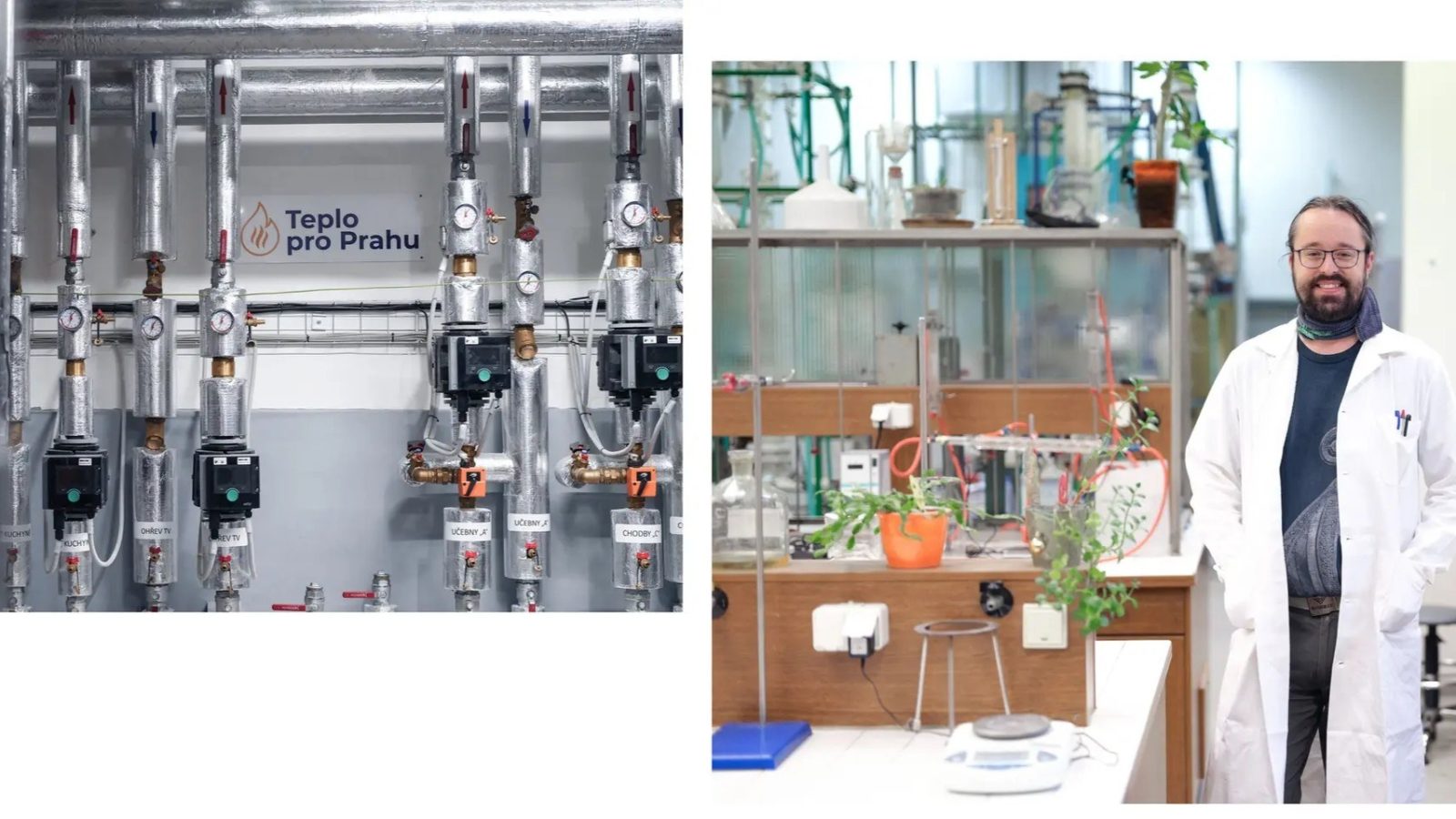
Outside the classroom window, winter presses in. But inside, the heat is steady, reliable. The around 400 students are warmed by natural gas. The students may not think about the network of pipelines and decisions behind the heat that fills their school. It arrives quietly, invisibly, yet its presence is felt in the warmth of the classrooms and hallways
Every citizen of Prague, every school, every flat is dependent on energy from across the borders into their everyday life.
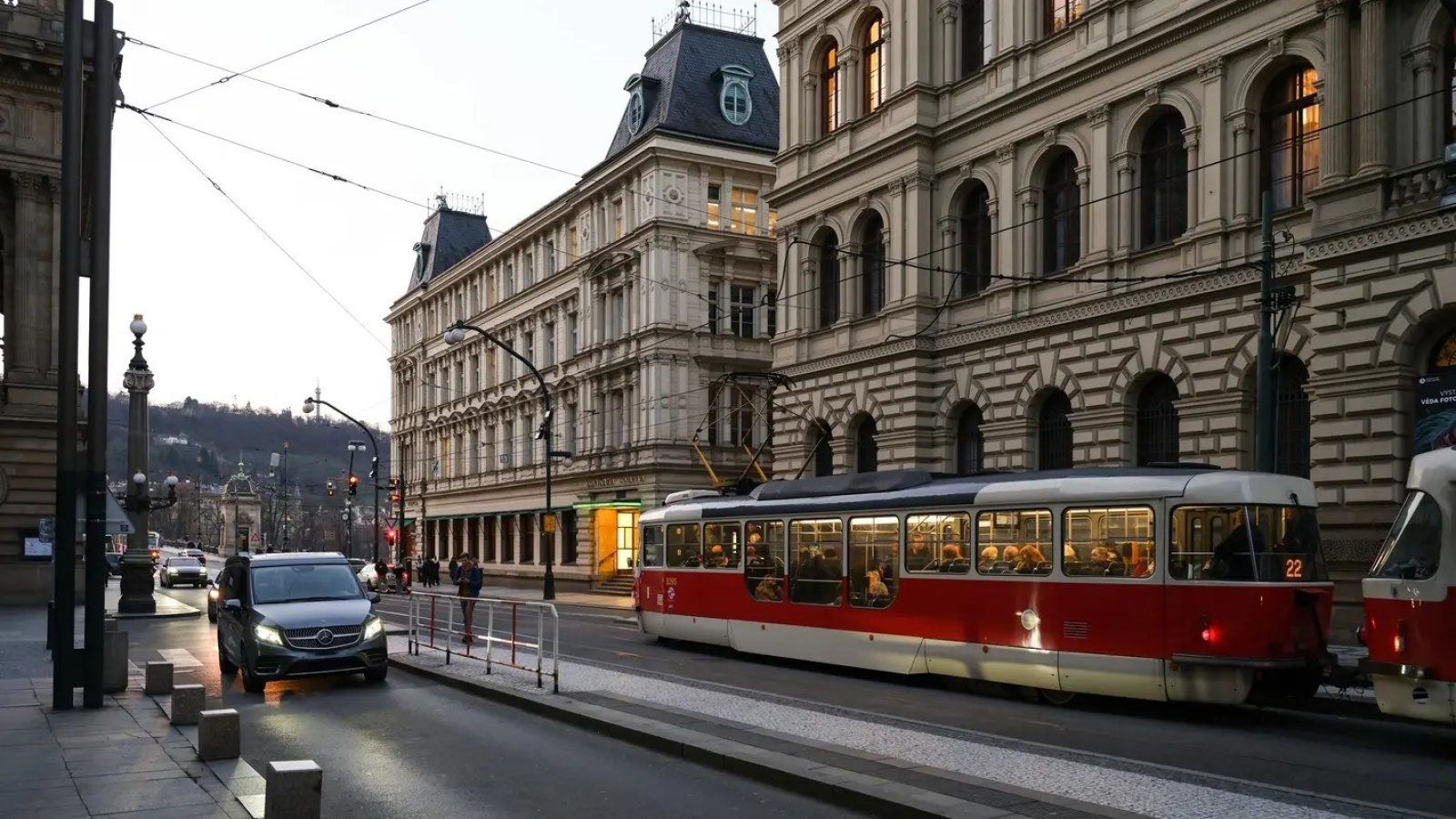
Around the city
A living brewing tradition
Another building in Prague supplied with gas is The Břevnov Monastery Brewery. Břevnov Monastery was founded in 993 as the second oldest monastery in Bohemia. From the very beginning, brewing has been an integral part of life here.
Today’s brewery is located in a former Baroque stable, carefully adapted for modern use. Although the building was renovated and modernised in 2011, the old brick walls and stone staircases still bear witness to generations who have lived and walked here long before.
Beer brewing has long been - and remains - an essential part of Czech culture. Head brewer Václav Potěšil explains that beer production involves several energy intensive processes, including heating, boiling and cooling.
Brewing as a family vocation
The Břevnov Monastery Brewery is run as a family enterprise, with both father and son closely involved in daily operations. Together, they combine long-standing experience with a shared commitment to preserving traditional brewing methods while maintaining a modern, working brewery.
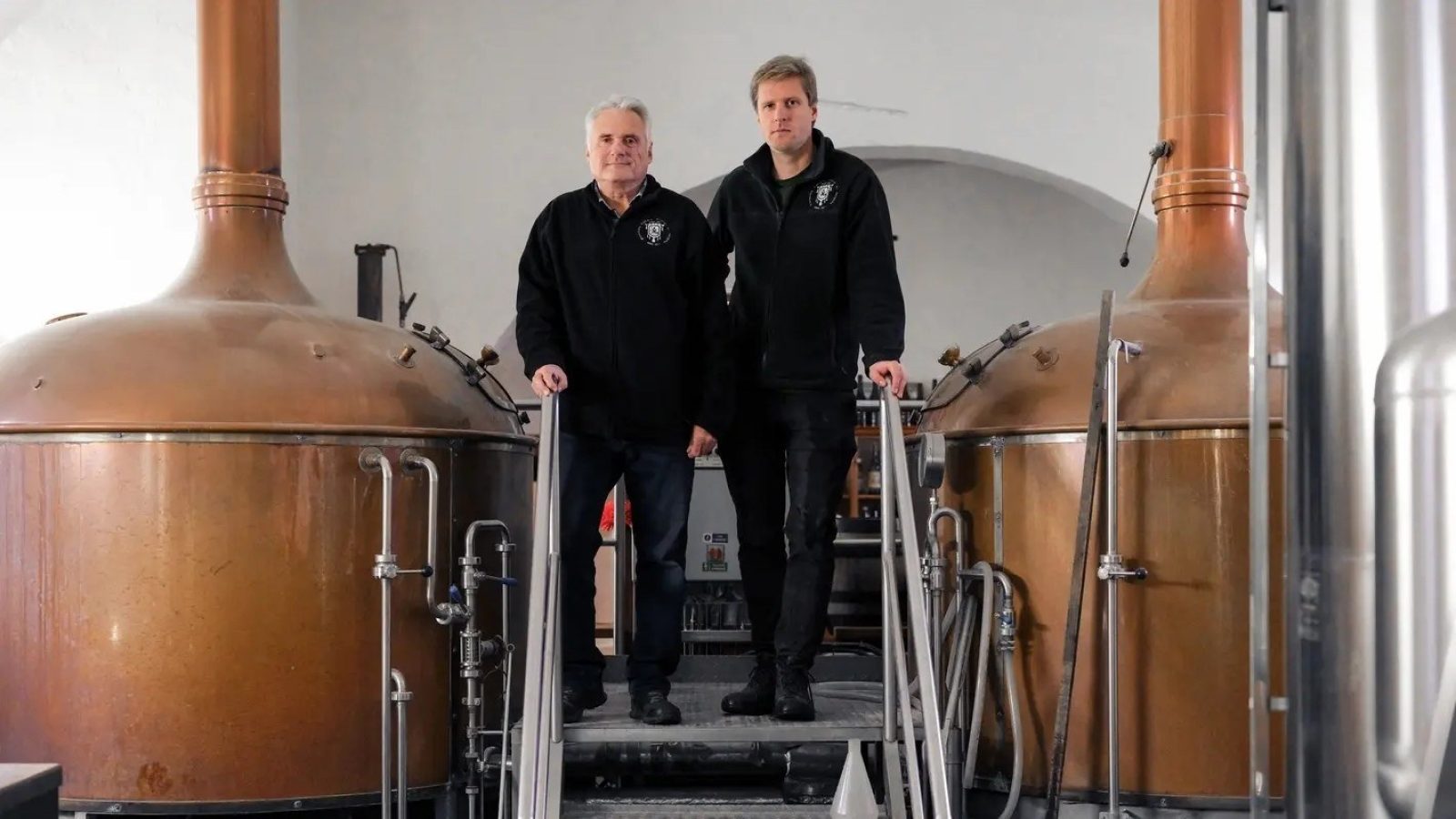
The brewery purchases its gas supply from Pražská plynárenská, Prague’s main gas and electricity company, which has a long-term agreement with Equinor to supply gas from Norway.
Warmth and stability
With Europe phasing out Russian gas and signing long-term agreements for LNG and pipeline supplies, Norwegian gas has become more than a commodity. For families in Prague, it means warmth in winter and stability in uncertain times. For Europe, it means resilience and a path toward a cleaner future.
Europe’s energy transition is underway, but it’s not a simple switch. Renewables are growing fast, yet they need reliable partners to ensure stability. This is where natural gas plays a crucial role. Not as a competitor to clean energy, but as a bridge that enables it. Gas provides flexibility when the wind doesn’t blow and the sun doesn’t shine, helping Europe phase out coal while maintaining affordable energy for homes and industries.
And Europe will need gas for years to come.