Boskalis Subsea Services, a leading subsea provider of decommissioning, IRM and construction solutions, has launched a new collaborative delivery model, ‘The Decommissioning Collective’, designed to change how subsea infrastructure decommissioning is planned and executed in the North Sea.
The new model marks a shift away from fragmented, project-by-project contracting, enabling operators to plan and deliver decommissioning activity within a shared framework. Developed by Boskalis Subsea Services and shaped through engagement with operators, the approach is focused on improved alignment, efficiency and value across sustained programmes of work.
Drawing on more than two decades of subsea decommissioning experience, Boskalis Subsea Services created The Decommissioning Collective to address one of the industry’s most persistent challenges: inefficiencies driven by isolated schedules, differing standards and short-term decision-making. Through The Decommissioning Collective, participating operators align around common ways of working, standardised procedures and coordinated planning.
Stuart Cameron, managing director of Boskalis Subsea Services, said: “The scale and complexity of decommissioning in the North Sea means the traditional, project-by-project approach no longer delivers the best outcomes. The Decommissioning Collective responds to that challenge by aligning operators around common ways of working and a programme-based delivery model, improving efficiency, cost certainty and predictability across decommissioning activity.”
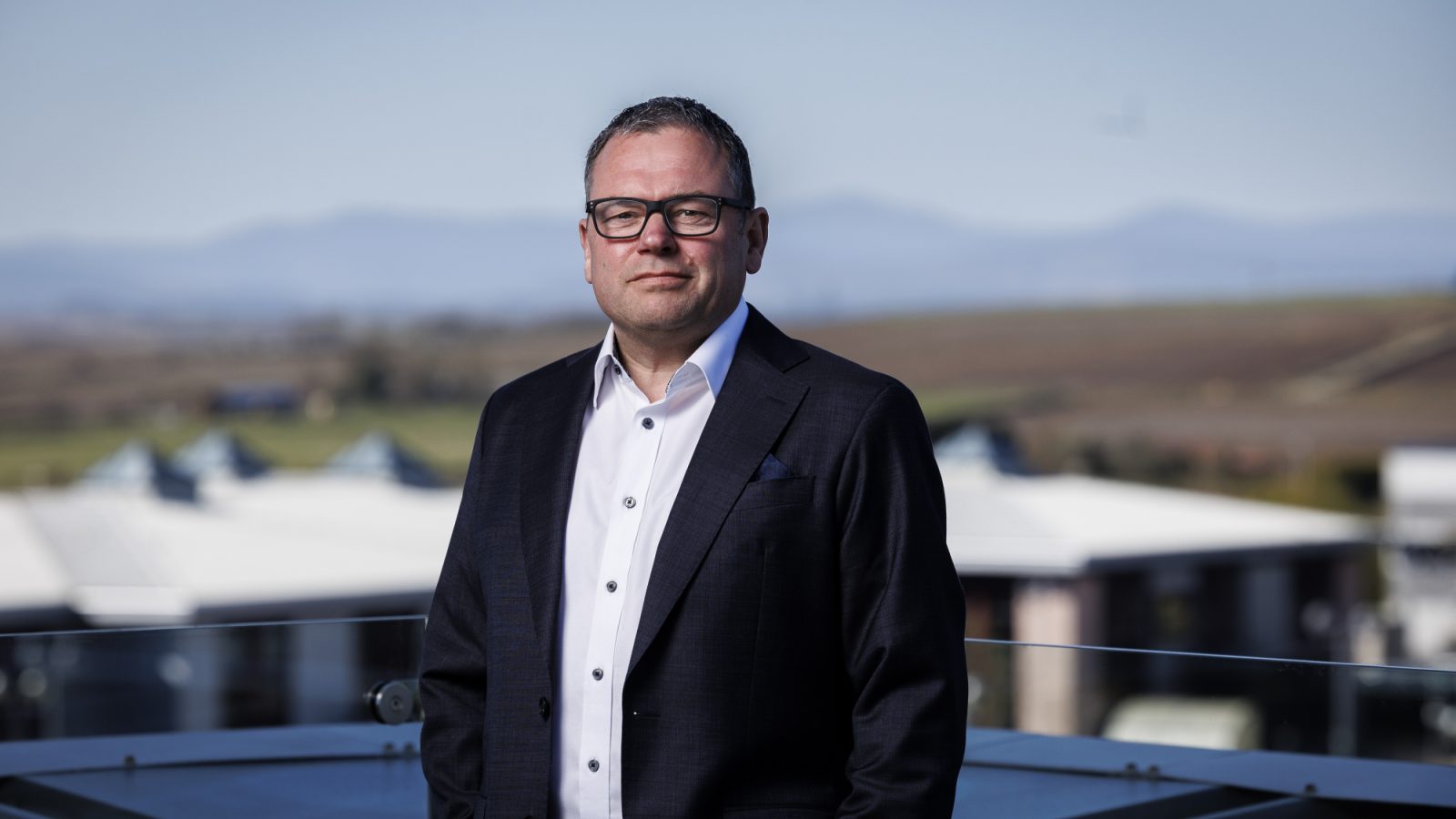
Stuart Cameron
The Decommissioning Collective has been established with the participation of three companies including Harbour Energy, which has worked closely with Boskalis Subsea Services on decommissioning programmes in the North Sea.
Maurice Thomson, Harbour Energy senior vice president of technical services, said: “Decommissioning in the North Sea demands long term thinking, disciplined delivery and the kind of alignment that drives better outcomes for everyone. The Decommissioning Collective reflects that shift. By bringing operators together around shared standards and coordinated planning, it helps create the efficiency, predictability, and continued safety focus that this basin needs.
For Harbour, it strengthens our ability to steward our assets safely, responsibly and ensuring that risk is reduced at every stage and that people, the environment remain protected.”
The model is supported by Boskalis Subsea Services’ substantial investment in UK subsea capability, including diving, remote operations and decommissioning resources, alongside the continued development of its state-of-the-art Remote Operations Centre, strengthening offshore support and operational assurance.
With three companies already planning their decommissioning activity through The Decommissioning Collective, which could amount up to 3,000 days of work over the next decade, the model is demonstrating the value of collaboration and partnership, reinforcing Boskalis’ commitment to the North Sea as a centre for offshore activity, investment and skills development.