Aberdeen's controversial bus gates are here to stay after a judge ruled the council had evidence to conclude the traffic measures would "promote business and the local economy".
The traffic restrictions have been strongly opposed by a string of city centre businesses, with a legal challenge formed led by veteran retailer Norman Esslemont.
A crowdfunding campaign to fund the challenge raised more than £65,000 as residents and traders alike demonstrated their frustration with the measures.
Top KC Alasdair Sutherland was drafted in piece together the case, with the key issue being the legality of Aberdeen City Council's decision to make the bus gates permanent and whether or not the local authority should have obtained the Scottish Government's permission.
After a five-hour hearing at the Court of Session in Edinburgh last month, Lord Pentland retired to consider "matters of importance".
Now, the judge has published his ruling, decreeing that the traffic measures, and the decision to make them permanent, were lawful.
Of note in his ruling, Lord Pentland said that the appeal had failed to demonstrate that the measures prevented access to city centre premises, and that the council had been entitled to conclude that the bus gates would "promote business and the local economy".
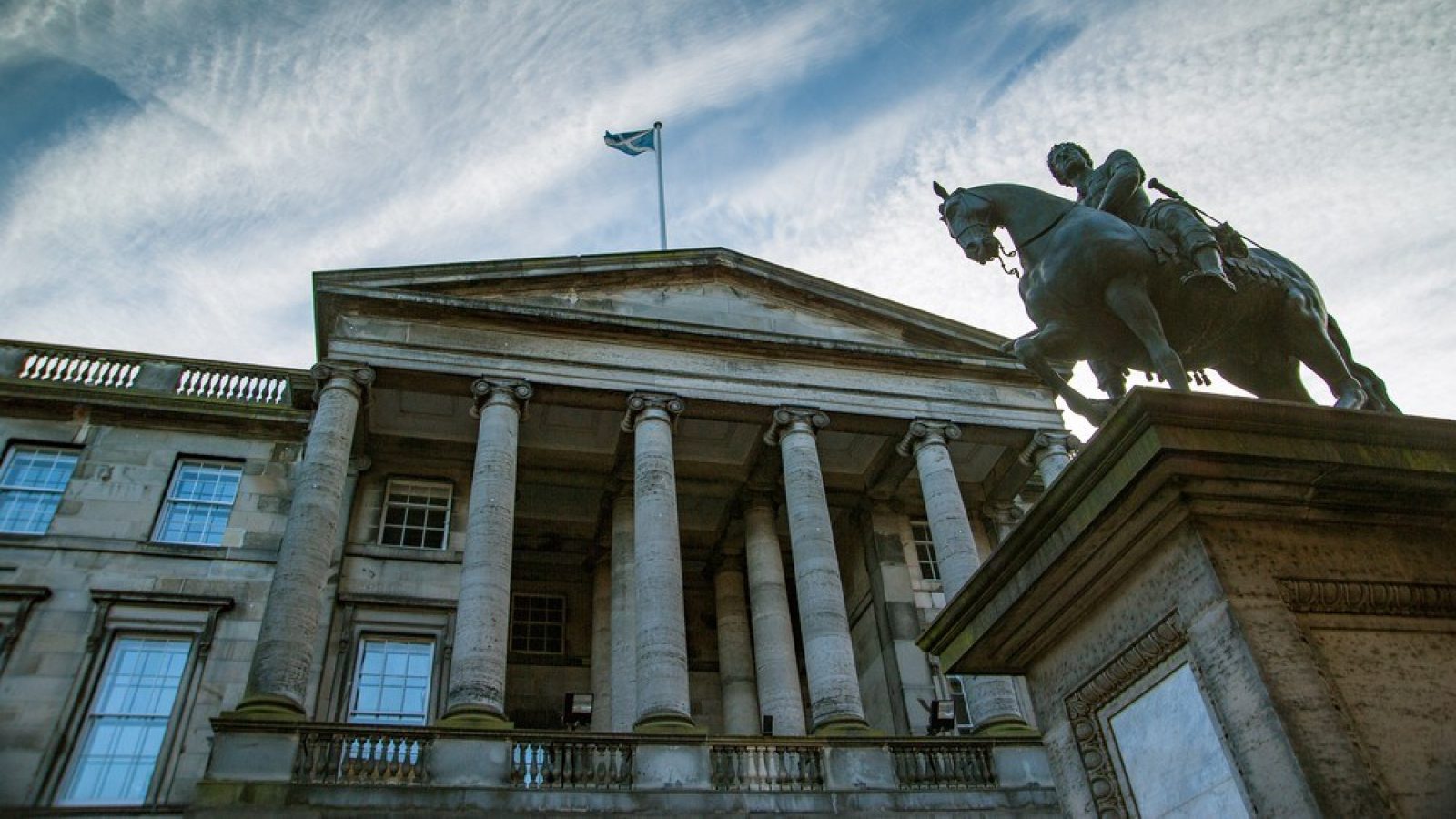
The Court of Session in Edinburgh.
Lord Pentland's decision
In his judgement, Lord Pentland states that Mr Esslemont failed to show access to city centre premises had been "prevented" by the traffic measures.
The judge said: "Under his first ground of challenge the appellant complains that the respondent failed to comply with a 'relevant requirement' in relation to the TRO (Traffic Regulation Order) because it did not seek the consent of the Scottish Ministers.
"The court considered that the appellant had demonstrated a genuine concern about the making of the TRO, and given the nature of the appellant’s involvement in leading the opposition to it, he could properly claim to have been substantially prejudiced by the alleged procedural failure to obtain the consent of the Scottish Ministers.
"However, the appellant failed to show that access to any of the premises identified as relevant for the purposes of the appeal had been prevented. It followed that there had been no failure on the part of the respondent to comply with a relevant requirement. The first ground of appeal therefore failed."
The second ground of appeal related to the contention that it was unlawful for the council to take account of the possibility that grant funding might have to be repaid.
On that, Lord Pentland ruled: "The court decided that the respondent was entitled to have regard to the possibility that the grant funding might have to be repaid if the TRO was not made. The second ground of appeal therefore failed."
Lord Pentland also rejected ground 3 and 4, ruling that, based on a "wide range of evidence", the council had been "entitled to conclude that the TRO would promote business and the local economy, support delivery of the Aberdeen City Centre Masterplan, contribute to regeneration of the city and maintain sufficient access for business and industry".
He added: "This was entirely a matter for the respondent."
The judge also stated there was "no substance" to the argument that the council's chief officer of strategic place planning had "actively sought to weight the June 2024 consultation report" in favour of the bus gates.
He continued: "As to the point that the ETRO was not truly experimental, this too was rejected. The respondent explained the purpose of the ETRO when it came into force."
Ground 5 challenged the adequacy of reasons given by the council for the traffic measure, but this too was rejected, with Lord Pentland ruling the seasons for the decision had been "adequately explained".
He said: "The court therefore found there was no merit in any of the grounds of appeal. The appeal was accordingly refused."
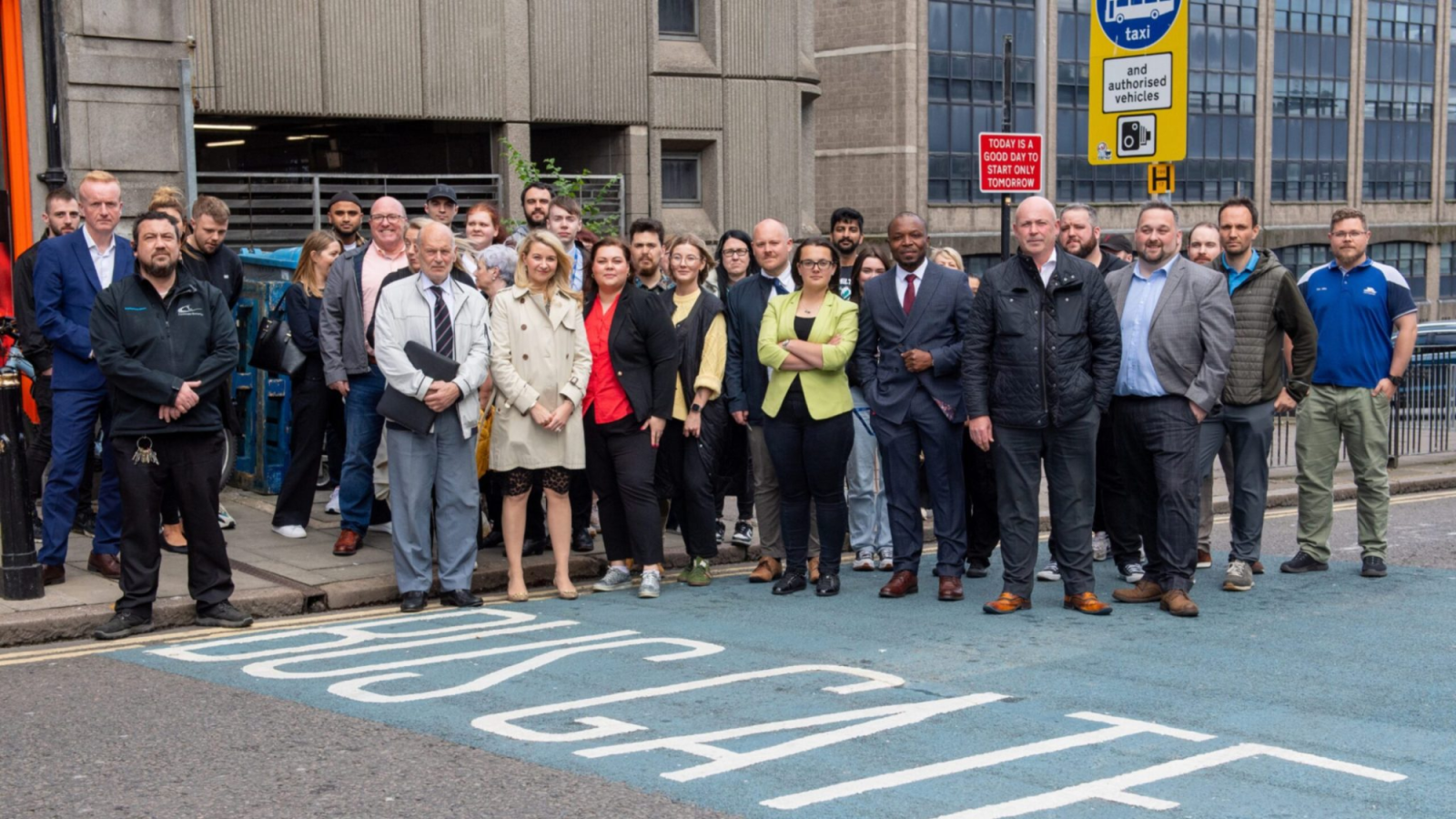
Reaction
Reacting to the ruling, Normal Esslemont said he had no regrets and that, regardless of the outcome, the case had "exposed the very serious shortcomings" and highlighted the depth of feeling within the city centre community.
He said: “I am, of course, very disappointed with the decision. However, I have absolutely no regrets about bringing this case forward.
"Even though we have lost the legal argument, I believe that the case has exposed the very serious shortcomings in the council’s decision making process.
"The people of Aberdeen were right to stand up to the council on an issue that has caused such frustration across the city.
"Regardless of the verdict, I hope the council recognises the strength of feeling expressed throughout this process and understands that a thriving city centre depends on genuine engagement with the business community - who, after all, contribute significantly to the services the city relies on.
"I would like to extend my sincere thanks to my legal team, led by Alasdair Sutherland with support from Alasdair Burnet KC and Colin Dalgarno. Their diligence and commitment throughout was exceptional, and they were also always available to discuss the issues at hand."
An Aberdeen City Council spokesperson said: “Following the Court of Session’s decision, we look forward to continuing to work with businesses and communities to make the city centre an even better place to live, work, invest, and visit.”