A landmark charity-funded project will offer genetic testing to thousands of people with ancestral links to Westray in Orkney and Whalsay in Shetland, helping identify those who have a higher inherited risk of developing certain cancers.
Eight charities are funding the two-year project, which will cost more than £365,000. The project will be led by researchers from the University of Aberdeen and the NHS North of Scotland Genetics Services based in NHS Grampian, and will offer testing for the specific BRCA gene variants which are more common in people with Westray and Whalsay ancestry.
The project will be funded by a unique partnership of NHS charities across Scotland and Friends of ANCHOR, a cancer and haematology charity based in North-east Scotland.
Friends of ANCHOR is contributing £137,000 towards the programme in the Northern Isles, with NHS Grampian Charity, NHS Orkney Endowment Fund, Shetland Health Board Endowment Fund, NHS Highland Charity, NHS Tayside Charitable Foundation, NHS Lothian Charity, and NHS Greater Glasgow & Clyde Healthcare Charity covering the remainder
It is the first time NHS charities have come together to fund a Scotland-wide project. Each charity will fund the costs associated with its own geographic region. Friends of ANCHOR will fund costs associated with the roll-out in Orkney and Shetland.
It is anticipated that around 5,000 tests will be carried out across Orkney, Shetland, Grampian, Highland, Tayside, Lothian, and Greater Glasgow & Clyde NHS areas. The screening involves a simple saliva test and will be available to people who may not otherwise have known they were at an increased risk.
There are more than 3,000 variants known in the BRCA1 and BRCA2 genes which can cause an increased chance of cancer. Around one in 1,000 women across the UK have a BRCA1 variant, giving them a higher lifetime chance of developing breast or ovarian cancer, while men with BRCA2 variants have a higher chance of developing breast or prostate cancer.
At present, BRCA testing in Scotland is only available to people who know of a direct family connection to a variant, or who have a history of breast, ovarian and/or prostate cancer in their family.
However, research by the study team has shown that two specific gene changes are more common in people with Westray or Whalsay ancestry, even if they do not know of a family history of cancer.
By identifying people who carry these specific variants before they become unwell, the project offers patients and their families access to genetic counselling, screening, and preventative care.
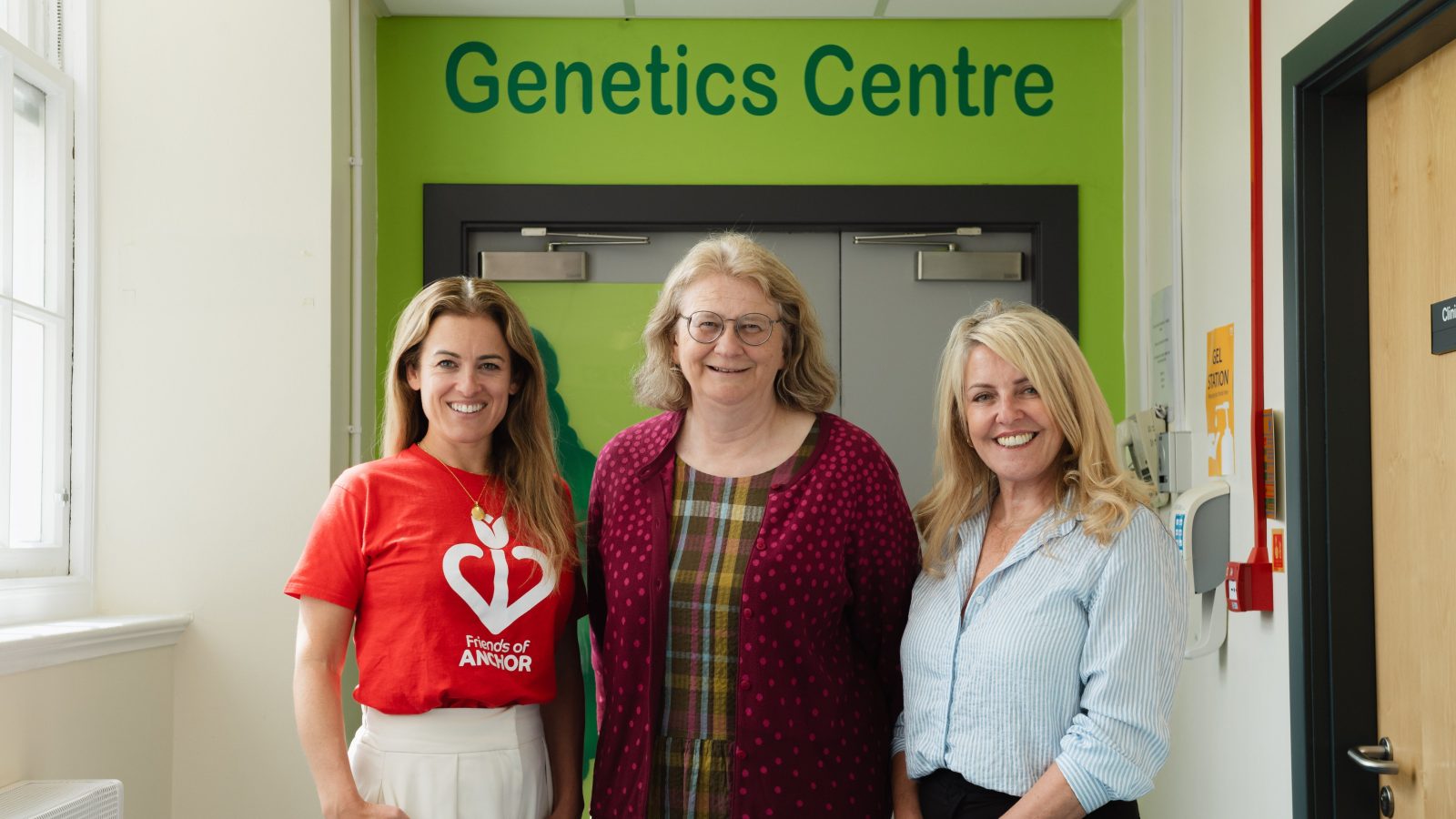
The project is led by Professor Zosia Miedzybrodzka, Service Clinical Director of Genetics at NHS Grampian and Professor of Medical Genetics at the University of Aberdeen, who was recently made an OBE for her services to genetic medicine and research.
“For many years, our team has seen the impact the inherited BRCA variants can have on families from Orkney and Shetland,” she said. “We know that these specific variants are more common in people with Westray and Whalsay ancestry and this project gives us an important opportunity to identify people across Scotland who may be at higher risk, before they develop cancer.
“Testing can give people knowledge, choices, and access to support. For those who test positive, it means we can offer genetic counselling, further testing, screening, and referral into local genetics services. Most importantly, it creates opportunities for preventative care which could make a real difference to patients and their families.
“This project has only been possible because of the people of Westray, and the wider Orkney and Shetland communities, who have supported this work and helped us reach this point. Their involvement has been absolutely vital, and I am incredibly grateful to everyone who has played a part in making this possible.”
The project builds on many years of work by the NHS North of Scotland Genetics Service team and University of Aberdeen researchers, which identified the same specific BRCA variant repeatedly in women from Orkney with breast and/or ovarian cancer. They used clinical genealogy to show that patients with the variant could be linked to one large family with origins in Westray, and the variant affects one in 25-50 people with ancestors from the island.
Additional research by the University of Edinburgh revealed the population significance of the variant, and highlighted the importance of a second BRCA2 variant, which affects one in 40 people with ancestors from Whalsay in Shetland
A pilot testing trial was carried out in Westray in 2023, funded by Westray Development Trust. The trial offered testing to anyone living in Westray with a Westray-born grandparent, regardless of family history, and has helped pave the way for this larger Scotland-wide project. Gina Rendall, Operations Manager at Westray Development Trust said, “We are absolutely delighted that the testing pioneered from our community fund can now be rolled out to our Westray descendants wherever they live in Scotland. Something we very much hoped would happen, thanks to Zosia and her team and the all the funders.”
Lisa Duthie, Charity Lead at NHS Grampian Charity, speaking on behalf of the NHS charities, said, “This is an extraordinary example of what charitable donations from patients and families can make possible, and is truly collaborative work which has the potential to make a lasting difference for people across Scotland.
“Thanks to the hard work and determination of Zosia and the genetics team, and the support of communities in Westray, Whalsay, and the wider northern isles, this work has reached a point where thousands more people can now be offered testing.
“For the donors who support our NHS charities, this is a powerful example of the impact their generosity can have. Their donations are helping fund work which will identify people with increased risk, support earlier intervention, and create opportunities for preventative care that will save lives.
“We are incredibly proud to be working alongside our fellow NHS charities and Friends of ANCHOR to help make this possible.”
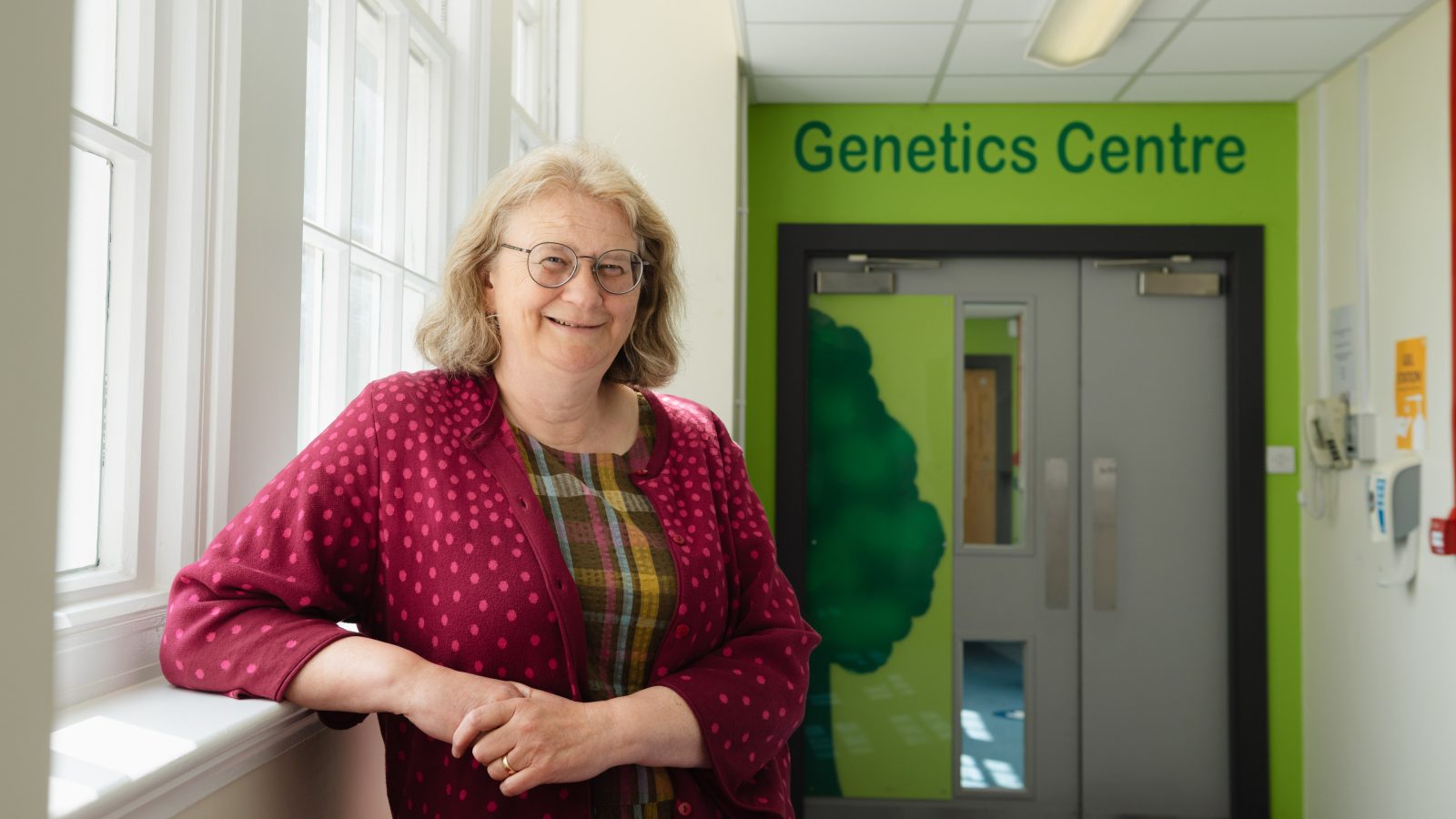
Sarah-Jane Hogg, Chief Executive of Friends of ANCHOR, said, “The goal of this important work has long been to introduce genetic testing Scotland-wide, and thanks to the pioneering efforts of Zosia and her colleagues, the roll-out is imminent.
"Friends of ANCHOR was pleased to support the early development of this work, including the pilot screening programme in 2023. The strength of local fundraising in Westray demonstrated the community's commitment to making this project a reality."
“This project reflects our commitment to supporting earlier diagnosis, prevention and improved outcomes for people affected by cancer, and this programme will identify people at increased risk earlier and give them access to support and preventative care that could ultimately save lives.
“Friends of ANCHOR's contribution will directly support delivery of the programme across Orkney and Shetland, and we’re very grateful to our donors and fundraisers, who have helped to make this possible.”
The new testing programme will begin next year, starting in Orkney and then moving to Whalsay and the rest of Shetland, with an aim to begin to roll out across the Scottish mainland in 2028. Anyone with Westray or Whalsay ancestry who is interested in accessing genetic testing should wait for advice on when this becomes available via their local health board.
The testing is simple and non-invasive. Participants will provide a saliva sample which will be analysed by Prof Miedzybrodzka’s team at the NHS North of Scotland Genetics Service, and those who test positive will be offered further testing and support.
Information about cancer symptoms and how to reduce your chances of getting cancer is available from the NHS Inform website. People worried that they might have cancer should read the advice on NHS Inform and consult their GP.
More information on BRCA1 and BRCA2 and breast, ovarian, and prostate cancer in families is available via the NHS, MacMillan Cancer Support and Breast Cancer Now. Detailed information about eligibility for breast cancer assessments is available from Breast Cancer Now.
Friends of ANCHOR offers practical and emotional support to patients of the ANCHOR Unit at Aberdeen Royal Infirmary throughout their treatment. Full details of their wellbeing support can be found on the Friends of ANCHOR website.
Clan Cancer Support provides free physical and emotional support for people of all ages and with all types of cancer from its network of wellbeing centres across the North-east, Moray, Orkney and Shetland. Clan also offers services to friends, family and colleagues of those with a diagnosis. More information on their support services can be found on Clan’s website.