Last Wednesday, a cross-section of energy professionals gathered at the Energy Transition Zone for the official launch of Wikatoni, an AI-powered information retrieval system, developed by Katoni Engineering, specifically for the energy sector.
The event brought together representatives from across the supply chain, operators, technology partners and advisory firms. Rather than focusing solely on product demonstration, the session centred on a broader discussion: how the sector can better preserve, access and share organisational knowledge in a period of rapid transition and increasing complexity.
Addressing a Sector-Wide Inefficiency
Across energy businesses of all sizes, valuable project intelligence often becomes dispersed across disconnected systems, shared drives, inboxes and archived folders. Proposals are recreated despite similar submissions existing. Technical studies are repeated because prior outputs cannot be located efficiently. Institutional knowledge is diluted when experienced personnel move on.
The cumulative impact is significant:
• Hours lost searching for historic data
• Rework across proposals and reports
• Reduced visibility of in-house subject matter expertise
• Increased project and operational costs
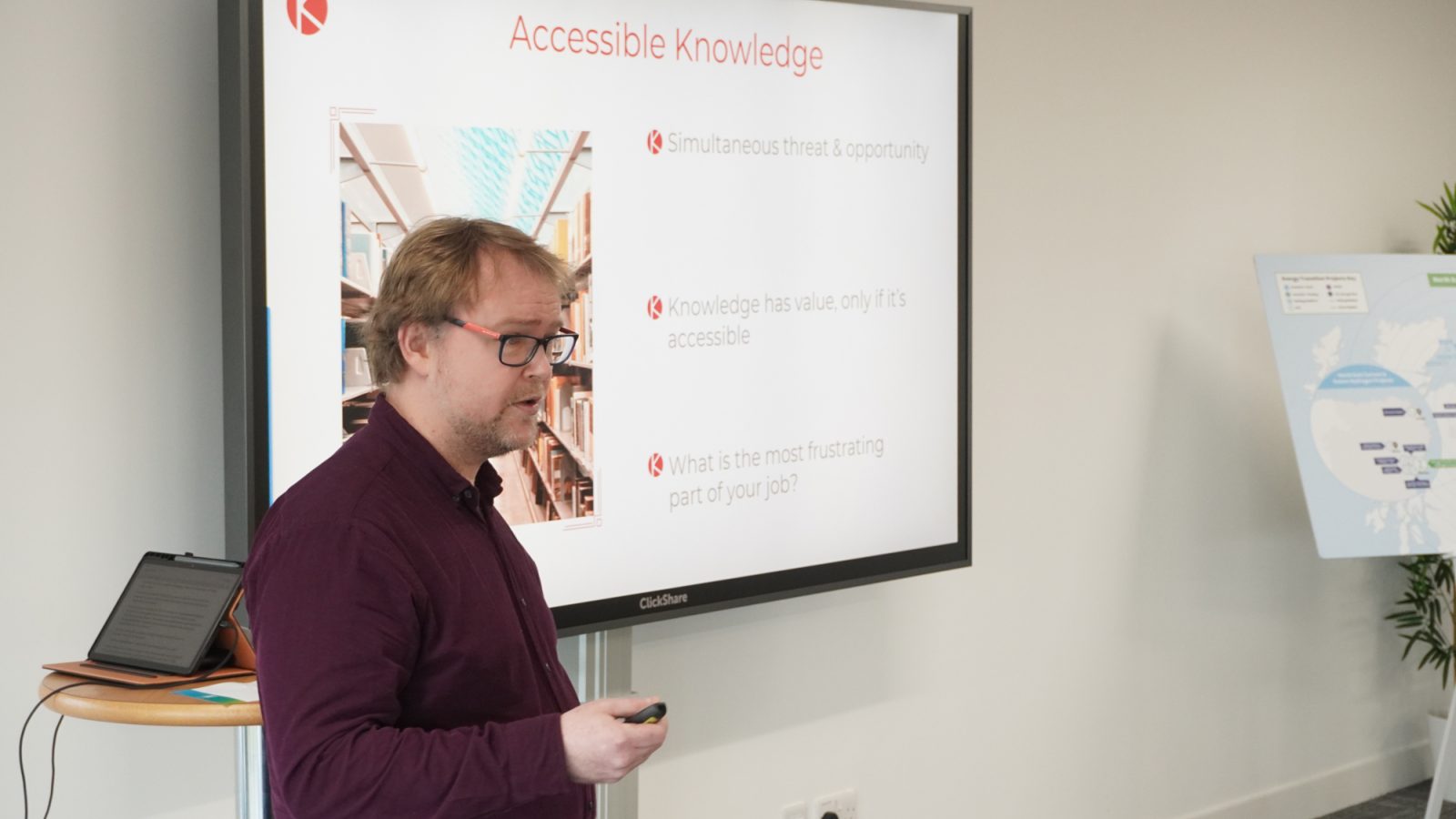
Tim Clarke, Business & Improvement Analyst, Katoni Engineering
Attendees reflected on how these challenges are not isolated to individual organisations but are common across the sector. Improving information accessibility and continuity was discussed as a shared opportunity, particularly as projects grow more technically complex and regulatory scrutiny increases.
Wikatoni has been developed as one potential contribution to that conversation. By introducing an intelligent retrieval layer that integrates with existing information management systems, it aims to support more effective knowledge use without requiring wholesale system change.
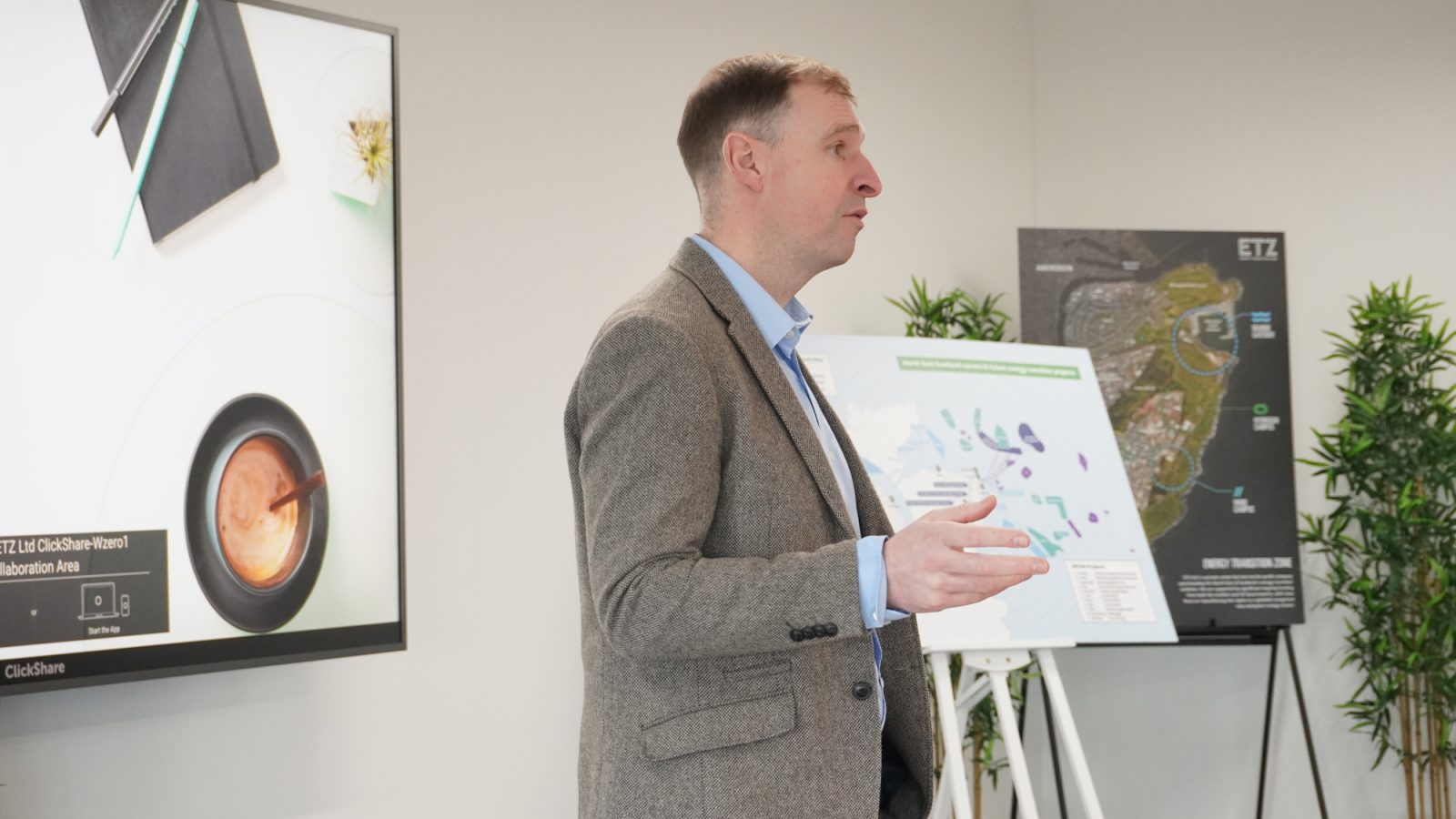
James Bream, CEO, Katoni Engineering
Built Specifically for Energy
Unlike general-purpose large language models adapted for corporate environments, wikatoni has been designed with sector context in mind. Its underlying text embedding model has been fine-tuned using more than 15,000 energy-specific documents and workflows.
This domain focus has delivered measurable performance improvements:
• 32% improvement in information retrieval reliability
• 85% reduction in numerical failures
• 97% faithfulness to source material
In practical terms, this enables stronger alignment with the technical language, regulatory terminology and project documentation typical within oil and gas, renewables, decommissioning and wider energy transition activities.
During discussion, emphasis was placed on the importance of sector-informed digital tools that reflect how energy professionals actually work, rather than imposing generic frameworks.
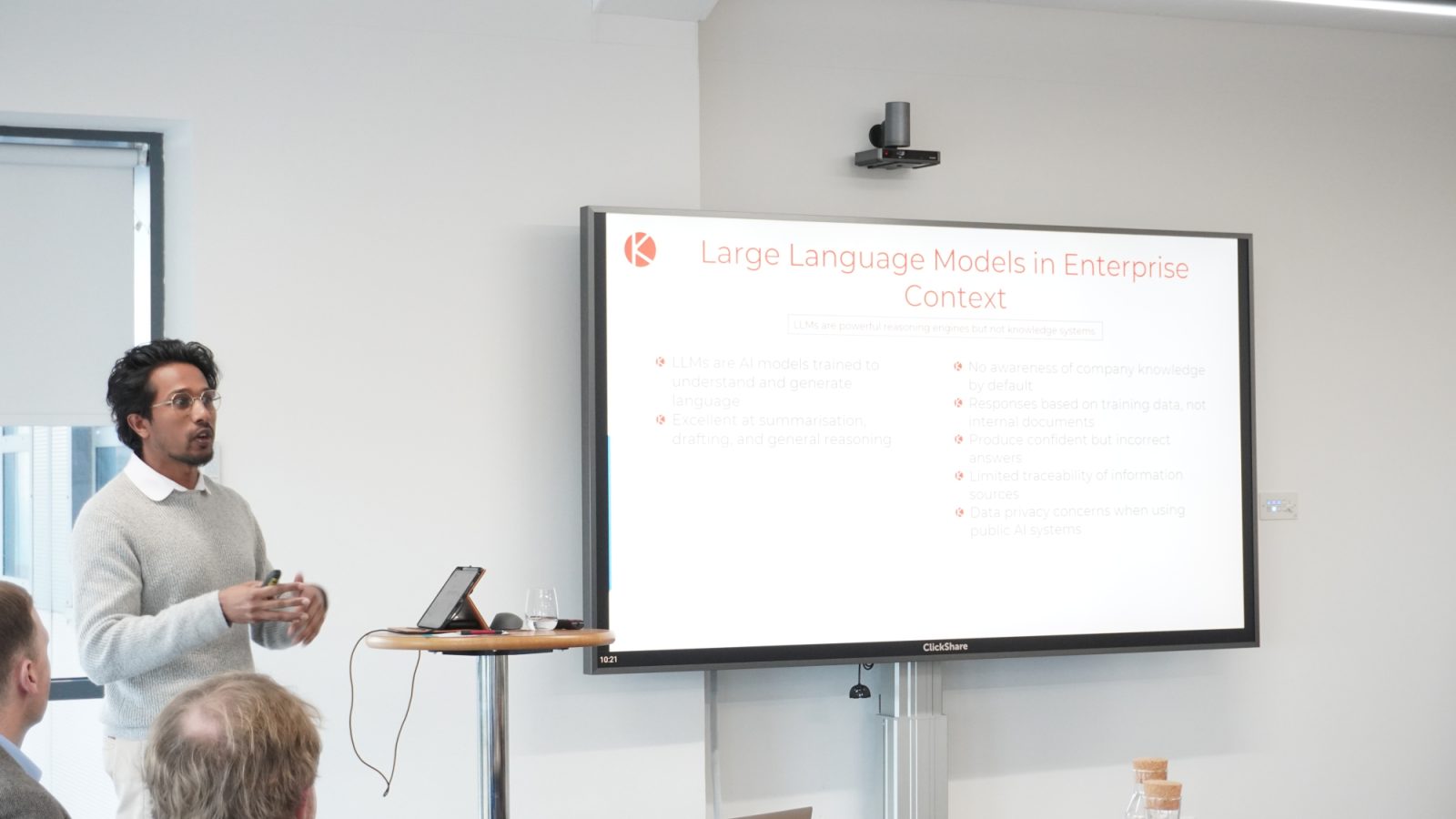
Sampath Rajapaksha, Senior AI Engineer
Security, Sovereignty and Trust
Data governance and confidentiality remain critical considerations for energy organisations. Many businesses are cautious about sharing sensitive commercial or technical data with open AI models that may offer limited strategic return.
Wikatoni’s approach keeps client data hosted locally and under full organisational control, supporting auditability and long-term data sovereignty. Attendees highlighted that trust, control and transparency will be essential if advanced digital tools are to be adopted more widely across the industry.
Encouraging Ongoing Collaboration
Demonstrations during the session showed how improved retrieval and knowledge mapping could:
• Reduce time spent producing reports and proposals
• Surface relevant historic project information
• Identify subject matter expertise within organisations
• Support continuity during workforce transitions
More broadly, the launch served as a platform for dialogue on how the energy sector can strengthen knowledge sharing, reduce duplication and improve collaboration across projects and disciplines.
Katoni Engineering extends its thanks to those who attended and welcomes continued engagement with industry partners, technology providers and professional bodies to explore how digital innovation can support collective efficiency and resilience across the sector.