The offshore energy sector has long lived with a costly blind spot: it can measure the condition of an asset today but not see where that condition is heading. AISUS is set to change that.
With the launch of Project c|Ai|sson, the company has built an AI-driven platform that does more than report how much life remains in a structure now, it forecasts how much will remain in five years’ time, and where failure will appear first.
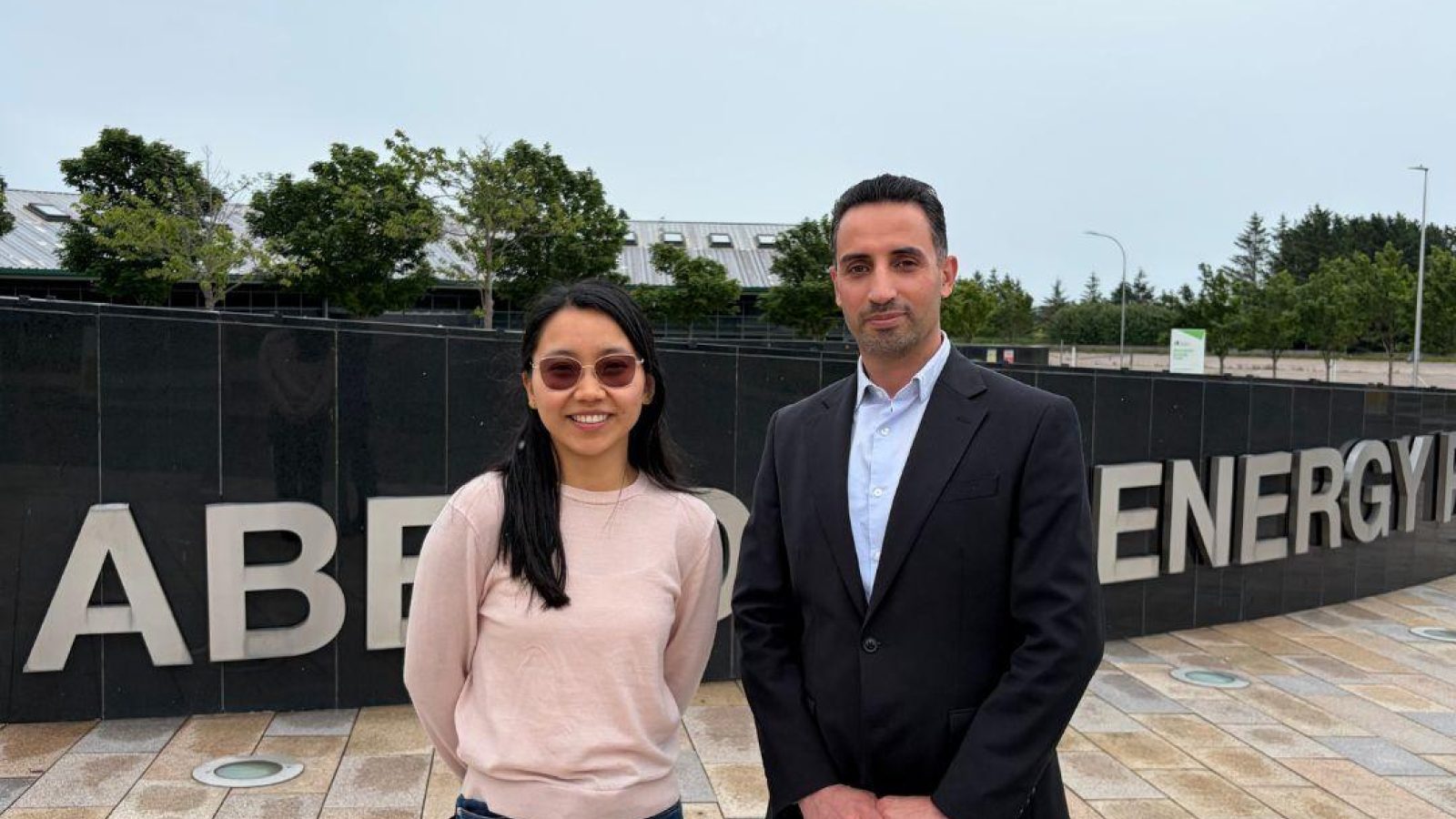
The platform has been developed in-house by AISUS’ Data & AI team, led by Urmila and Zargham, bringing together years of offshore inspection data with advanced modelling to turn information into forward-looking insight.
For more than a decade, AISUS has deployed remote robotic inspection solutions across offshore assets worldwide, taking personnel out of hazardous environments, reducing cost for operators, and covering an entire structure in a single deployment. That work has produced something the industry has rarely had at scale: years of dense, consistent inspection data. Project c|Ai|sson turns that data into foresight.
The problem it tackles
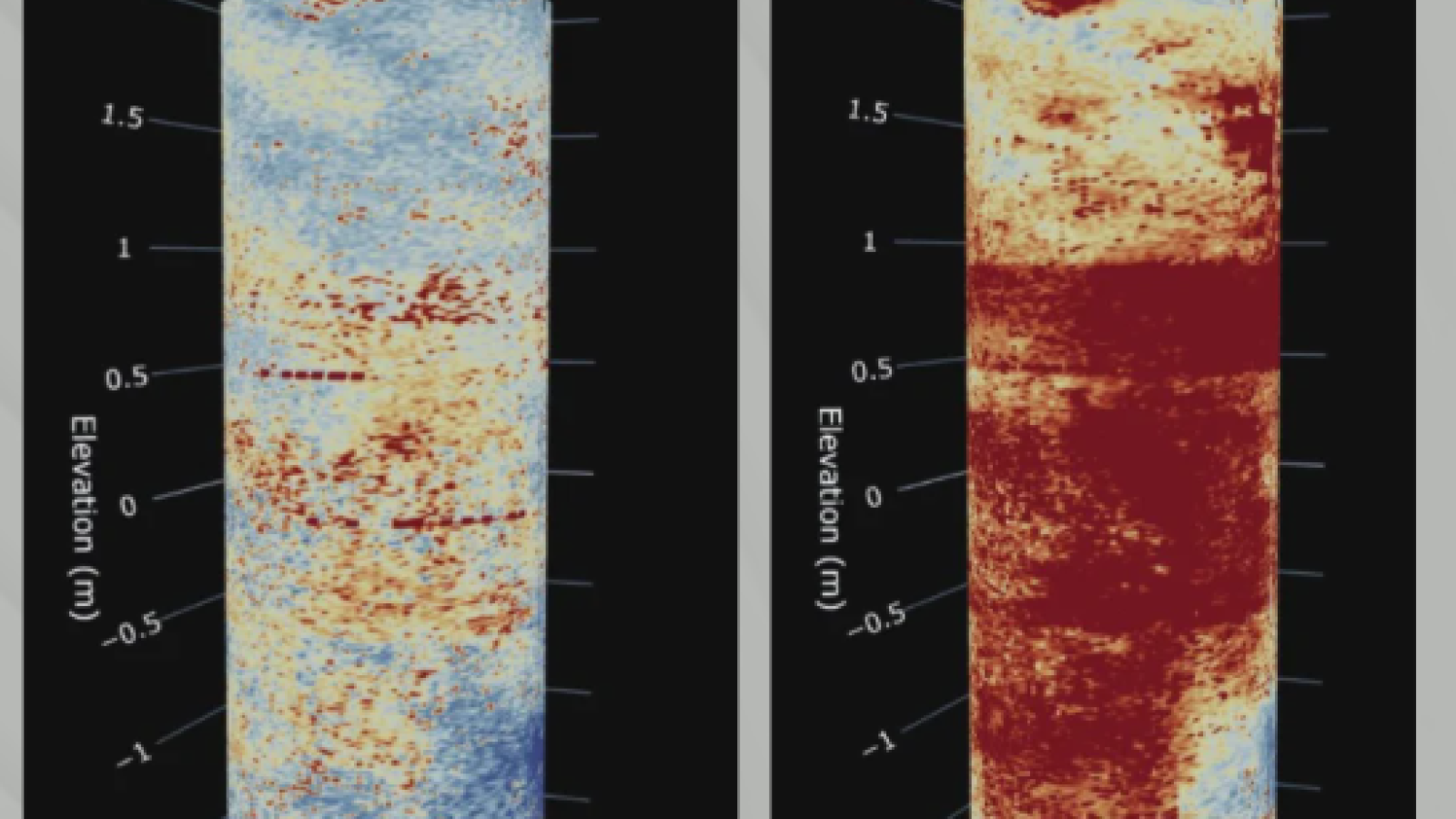
The challenge is one every late-life operator will recognise. Offshore assets are running well beyond their original design life, budgets are tighter, and regulatory scrutiny is rising, yet the data needed to manage them is often fragmented across disconnected reports, imagery and spreadsheets, with critical knowledge held by a handful of experienced engineers. Inspection campaigns happen only every five to seven years and cost hundreds of thousands of pounds, so the long gaps between them have been bridged by assuming the worst and adding margin, which keeps assets safe, but it is expensive guesswork.
A living digital twin
Project c|Ai|sson replaces that guesswork with evidence. At its core is a continuously updated digital twin - a living representation of an asset that draws inspection data, engineering models and real environmental conditions into a single, secure source of truth. AI-assisted computer vision standardises how inspection footage is analysed, stereoscopic 3D modelling captures precise condition in confined spaces, and predictive modelling forecasts how degradation will progress. Every asset is graded by condition and risk, allowing an operator to rank an entire asset at a glance.
Case Study
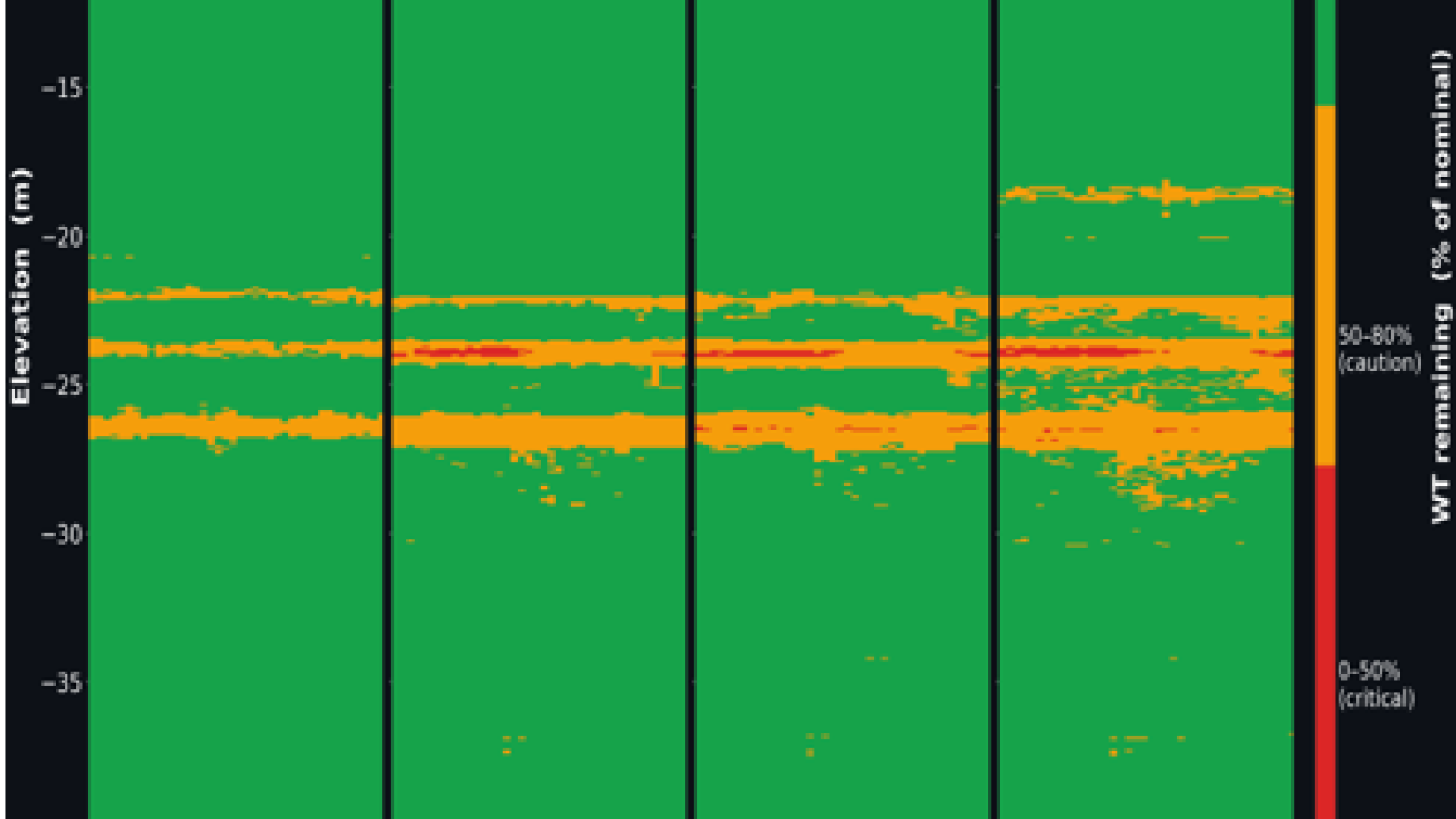
In a blind test, AISUS used inspection data from 2014 and 2019 to forecast a North Sea caisson’s 2023 condition, cell by cell, before seeing a single figure from the real inspection. The prediction matched reality with a spatial accuracy of 0.955 out of a possible 1.0 and an average error of just 0.29 millimetres per cell - thinner than a credit card - across more than 20,000 cells, with 98% of cells predicted to within one millimetre. Where the model was wrong, it stumbled on the side of caution, never optimistic. Moving to a second asset and calibrated on a single inspection, it located that structure’s critical corrosion band on its own.
Every input to Project c|Ai|sson is a physical quantity an engineer would recognise, and every prediction can be traced back to a physical cause. The platform is built to inform engineering judgement, not replace it: AI processes and structures vast volumes of data, while engineers remain responsible for interpreting the results and decision making.
For an industry navigating ageing infrastructure, the shift is significant. Instead of reacting to problems as they surface, operators can anticipate them, by aligning inspection, maintenance and investment around the evidence. Project c|Ai|sson needs only the inspection history operators already hold, the future condition of an asset is no longer a question mark, it is something operators can see, plan for, and act on today.