Research from the University of Aberdeen is investigating how honeybees and rare Hebridean bumblebees share – and compete for – resources in the islands’ unique flower-rich landscapes.
The three-year Hebri-bees project seeks to provide answers to the question of whether managed honeybees are negatively affecting wild bumblebee populations, including the iconic great yellow bumble bee.
Led by ecologist Dr Johanna Yourstone, the study will focus on the Hebrides’ internationally important machair habitats – flower-rich coastal grasslands – to investigate whether honeybees compete with rare bumblebees for food, when any overlap in foraging occurs during the season, and whether disease transmission between managed and wild bees may play a role in bumblebee decline.
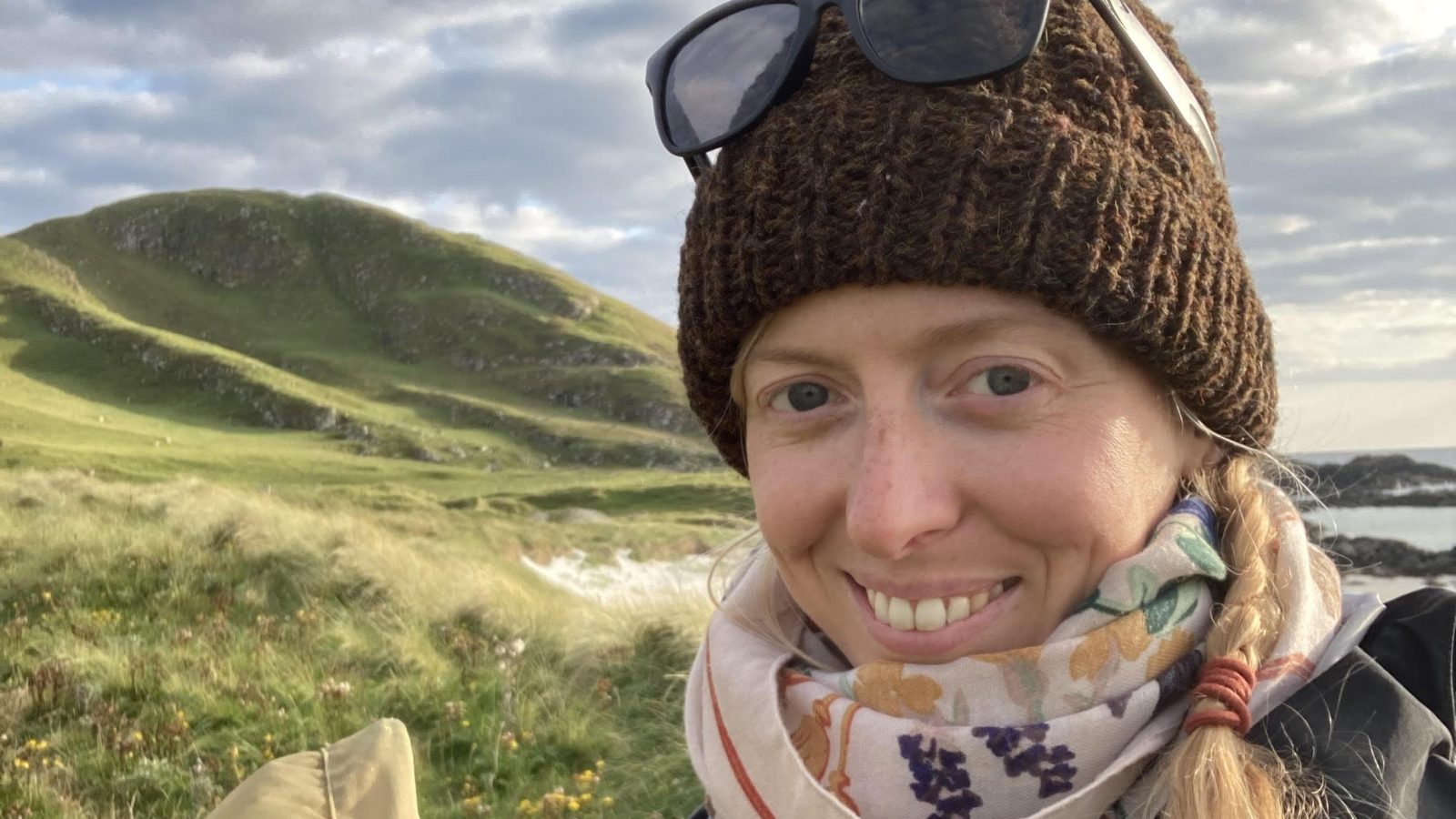
Johann Yorstone on Tiree
While many previous studies have examined bee competition in agricultural landscapes, Dr Yourstone says these tend to be homogeneous and are very different to the abundance of flower species found in the machair.
“The Hebrides are an ideal study system for rare bumblebees,” said Dr Yourstone. “In many other places, these species survive only in tiny numbers, making meaningful research extremely difficult. Here, the islands still hold strong populations and extraordinary flower-rich habitats, giving us a rare opportunity to understand how these bees live, forage and respond to environmental pressures.”
The research will include the great yellow bumblebee which, once widespread across the UK, is now largely confined to northern Scotland’s coasts and islands, with the Inner and Outer Hebrides acting as its main strongholds and the threatened moss carder bee, which earlier University surveys identified as the most common bumblebee in the machair.

Moss Carder Bee (Bombus muscorum), more specifically the subspecies that is found in most of the Hebrides, but not on the mainland
“The great yellow bumblebee is more than just a rare insect – it’s a beloved symbol of the Hebrides,” Dr Yourstone added.
“People care deeply about these bees, and understandably there are questions about whether increasing beekeeping could affect them.
“It is a particularly delicate question in this area as the nowadays rare, pristine lineage of honeybees - the black bees - are kept on many of the islands.”
“What we need now is robust evidence, so that future decisions are guided by science rather than assumption.”
The Hebri-bees team will combine field observations with cutting-edge pollen analysis, using microscopy and AI-assisted techniques to identify the flowers visited by different bee species across the season.
Dr Yourstone said: “We’ll be following the pollen trail to understand exactly where Hebridean bees are foraging.
“It may be the case that we see honeybees flying across the machair, but pollen analysis could show they were actually collecting most of their food from heather elsewhere. Looking at the pollen gives us a much clearer picture of what’s really happening in the landscape.”
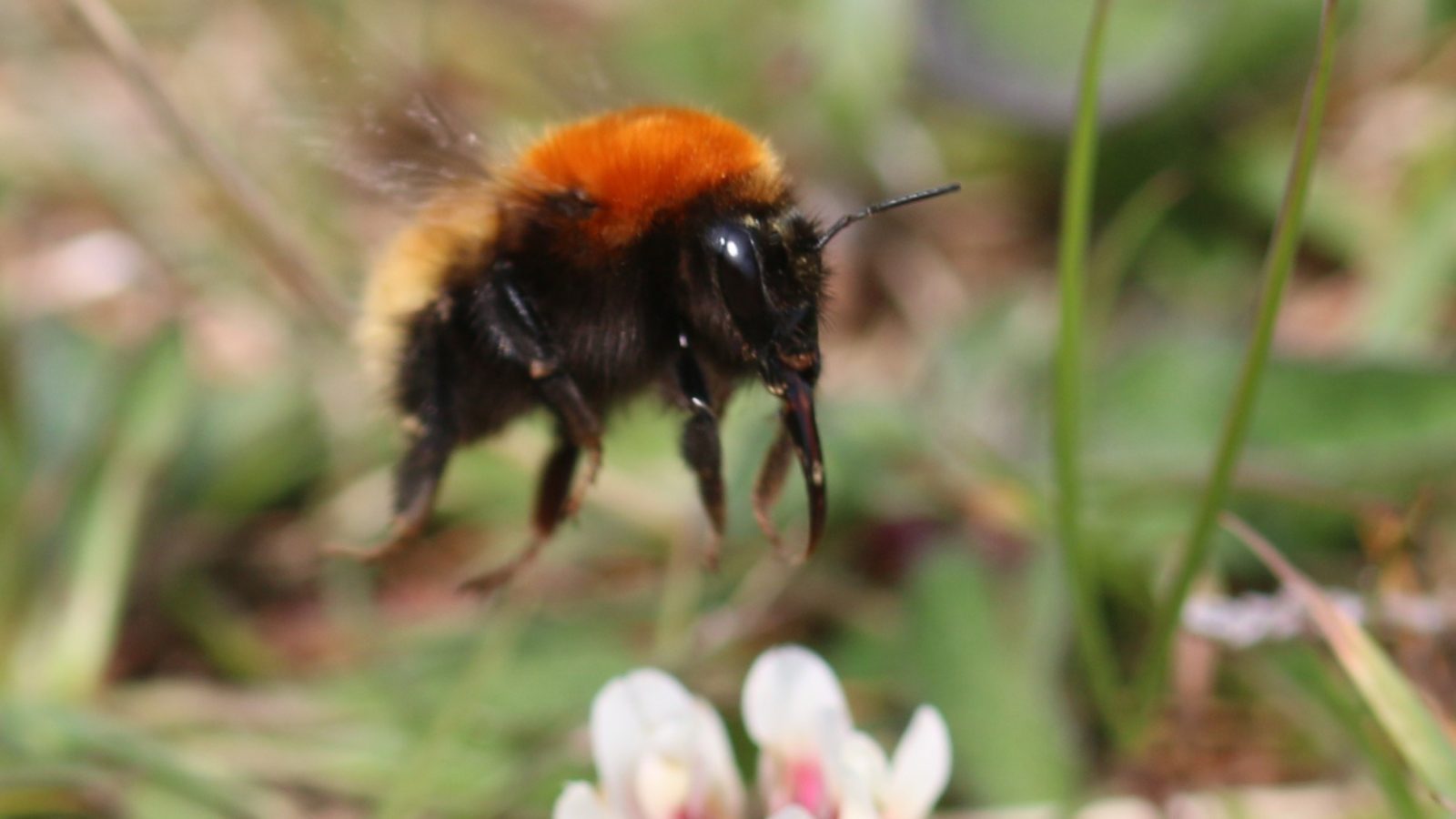
The field study spans across the Hebrides, from Islay to Lewis, as well as parts of Scotland’s north-west coast. Researchers will work closely with local organisations such as the RSPB, volunteers and beekeepers throughout the project.
Dr Yourstone stresses that the aim is not to pit honeybees against bumblebees, but to understand how both can coexist sustainably in sensitive island ecosystems.
“Honeybees and bumblebees are both important pollinators. Our goal is to understand where interactions occur, whether they matter for rare species, and how we can support healthy pollinator communities across these islands.”
By combining ecology, behavioural studies and molecular analysis, the Hebri-bees project, which received support through a bursary from Species on the Edge, aims to provide one of the most comprehensive pictures yet of how managed and wild bees interact in a natural island environment.