Wood worked as one integrated team with Serica Energy to bring the Bruce flare gas recovery system into operation - enabling the platform to capture more than 50% of routine flaring while recovering valuable gas for onward use.
The project stands as a model for how close collaboration and shared, informed decision-making can turn an emissions challenge into a clear investment win.
Reducing routine flaring is a growing imperative across the UK North Sea as asset operators work to lower emissions and improve environmental performance. For offshore operations, the challenge is to identify practical ways to reduce flaring without disrupting safe, efficient production.
Serica Energy needed a solution for the Bruce platform that could reduce routine flaring, improve use of produced gas and support wider emissions reduction objectives - all while protecting the platform's operational integrity and production uptime.
Working as one team
From the outset, Wood and Serica operated as a single, integrated project team rather than as separate client and contractor organisations. Shared visibility across engineering, procurement and construction (EPC) meant decisions were made collaboratively and in real time - with Serica's operational knowledge of the Bruce asset combined with Wood's technical expertise in flare gas recovery.
This close alignment meant that when trade-offs arose - between schedule, cost and technical performance - both organisations could evaluate the options together and act quickly, backed by a shared understanding of what mattered most to the business case. That joint, informed decision-making was central to keeping the 18-month EPC programme on track and to maximising the value of the investment once the system reached operation.
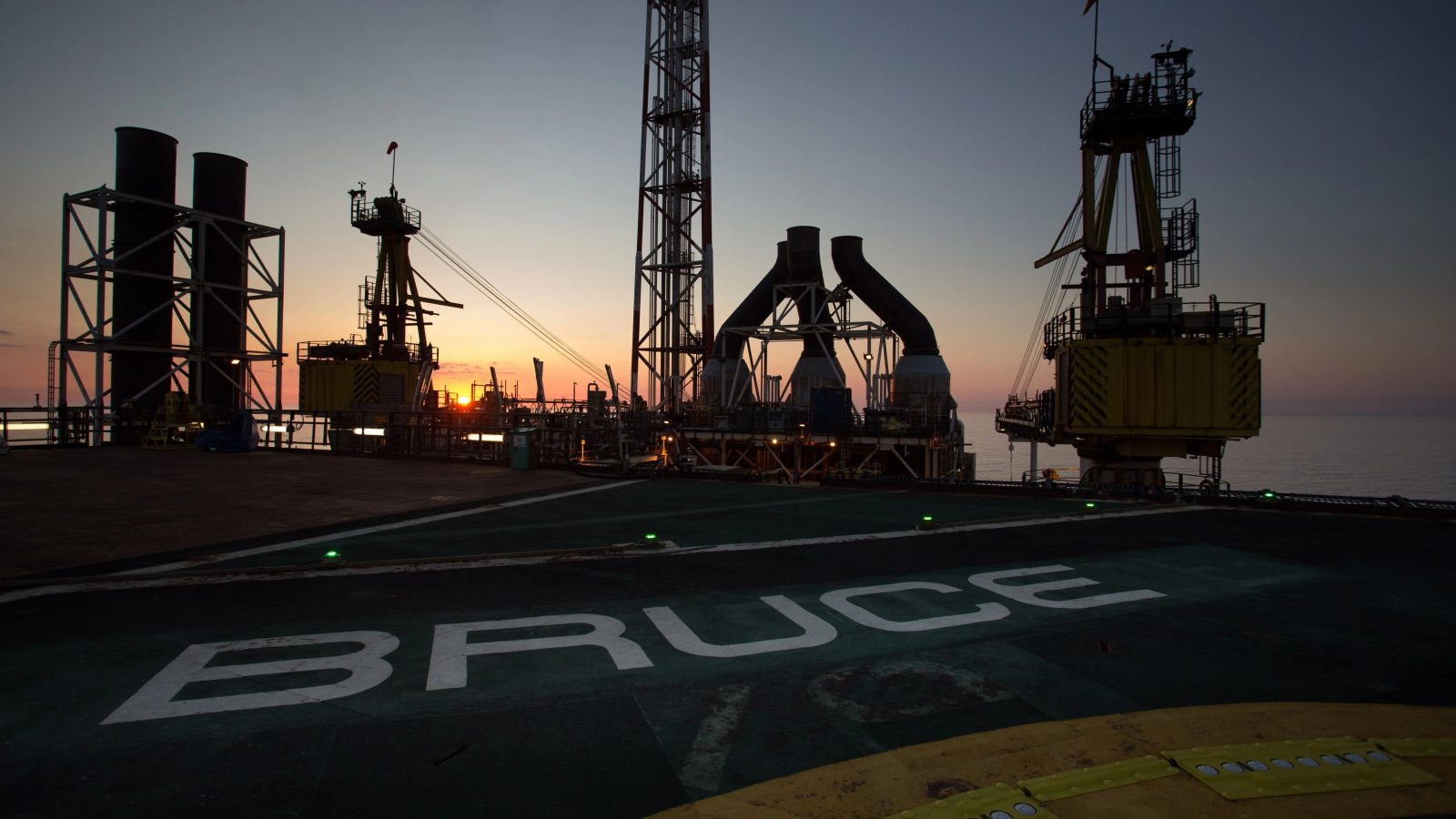
Turning wasted gas into recovered value
Wood delivered the EPC of the Bruce flare gas recovery system over an 18-month period. The solution was designed to capture gas that would otherwise be sent to flare and return it to the production stream for onward use or export.
At the centre of the system is a skid-mounted Transvac flare gas recovery package using a gas-driven ejector. This enables flare gas to be captured, compressed and routed back into the process, reducing waste while improving hydrocarbon recovery.
By applying a practical engineering solution to an operating offshore asset, the project demonstrates how targeted upgrades - delivered through close operator-contractor collaboration - can help operators reduce emissions while maintaining production efficiency.
Bruce flare gas recovery system now in operation
Following operational testing and plant performance sign-off, the Bruce flare gas recovery system is now in operation and captures more than 50% of routine flaring on the platform.
This delivers a measurable reduction in emissions, improves resource efficiency and supports Serica Energy’s wider goal of lowering operational emissions and improving the carbon intensity of its producing portfolio. It also reflects the value that a genuinely collaborative delivery model can unlock: faster, better-informed decisions translating directly into accelerated returns on investment.
Why it matters
The Bruce project shows how practical engineering applied to existing offshore infrastructure through close collaboration can deliver measurable emissions reduction without relying on entirely new technology. It also illustrates a wider principle: when operator and contractor work as one team, with shared access to the right information at the right time, investment decisions can be made faster and with greater confidence - accelerating the pace at which value is realised.
For operators across the North Sea, the Bruce flare gas recovery system offers a clear example of how decarbonisation ambitions can be realised, and how the strength of the working relationship behind a project can be as important as the engineering itself.
Darren Anderson, Senior Vice President, UK Operations, Wood, said: "This project shows how the correct engineering approach can help operators reduce emissions from existing offshore assets in a practical and measurable way. By working closely with Serica, we have delivered a solution that not only cuts routine flaring but also improves resource efficiency by recovering valuable gas back into the process."