International energy consultancy Penspen has been awarded a critical research project designed to look into how hydrogen can support the transition of the UK’s industrial clusters.
Hydrogen Transition Pathways for Industrial Clusters is a research and decision-support project for the Future Energy Networks (FEN), Energy Innovation Centre, Northern Gas Networks (NGN), and Xoserve. FEN’s current members include National Gas and the four Gas Distribution Networks: Cadent, NGN, SGN and WWU.
Experts from Penspen’s asset integrity and engineering teams in the UK will carry out a comprehensive study to help determine where, how and under what conditions hydrogen should support the transition of industrial clusters and surrounding communities, alongside credible alternative pathways. The assessment will align with major UK industrial clusters including Teesside, Humber, Merseyside, South Wales, North Wales, Grangemouth and Southampton.
“As industries seek to decarbonise at pace, hydrogen offers a compelling pathway. This study represents a significant opportunity to unlock hydrogen’s potential as a cornerstone of low-carbon industrial clusters,” said Chris Wood, Director – Asset Integrity (Europe) at Penspen.
“We’re proud to support this important project, bringing our deep expertise in energy transition and critical infrastructure systems. We understand both the technical complexities and the commercial realities of integrating hydrogen, enabling us to deliver strategic guidance and technical insights that accelerate decarbonisation.
“Working closely with the EIC, NGN, Xoserve and FEN, we are excited to contribute to a study that focuses on practical pathways for industrial integration. The outcomes of this project will support more consistent and strategic planning, clearer prioritisation of pathways and clusters, reduced risk of misaligned investment, and improved consideration of affordability, workforce and community impacts.”
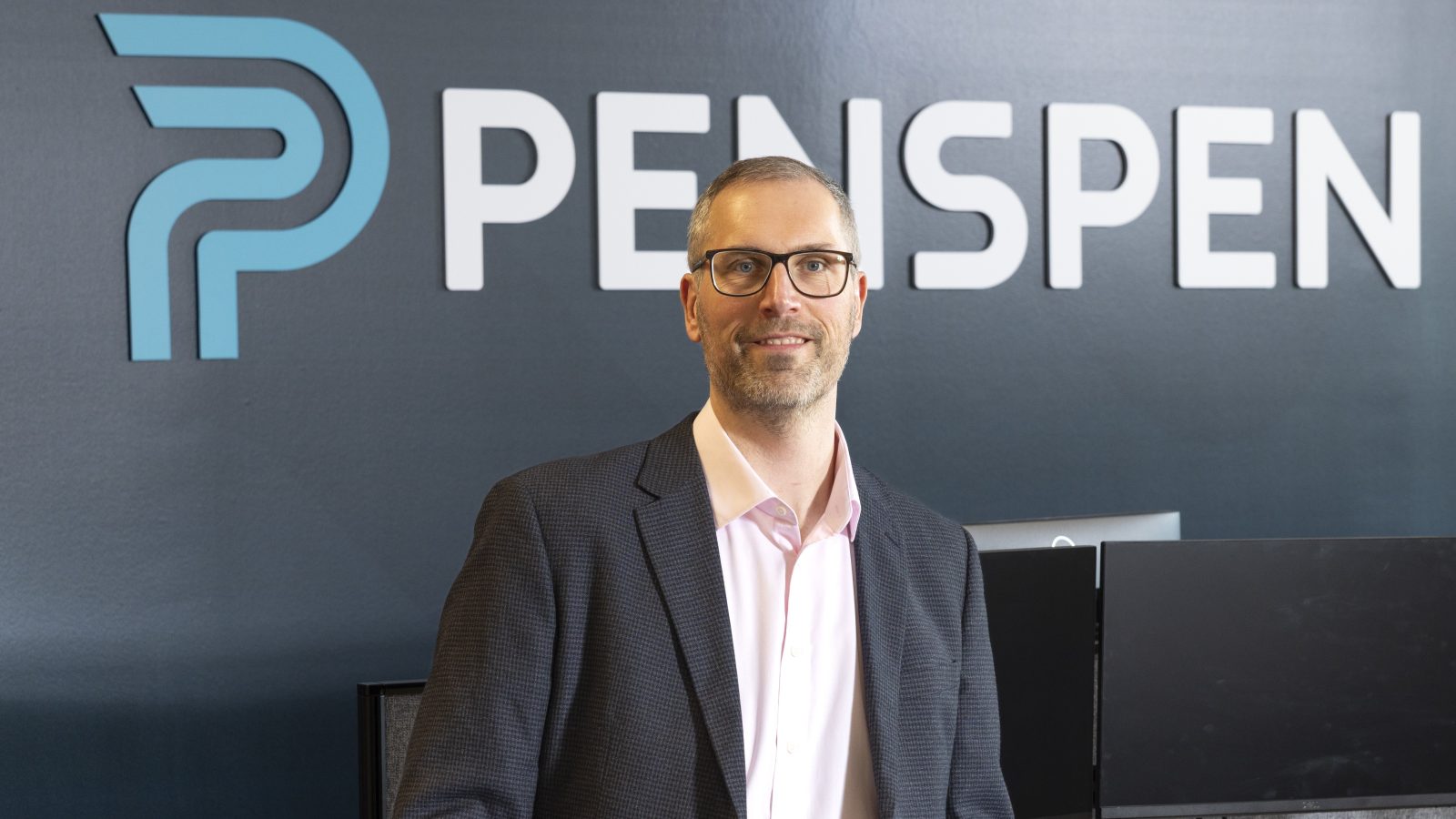
Chris Wood, Director – Asset Integrity (Europe) at Penspen.
Roadmap to 2050
Supported by members of Penspen’s Centre of Engineering Excellence, the study focuses on four key areas: potential hydrogen supply and demand across clusters, including conditions for domestic uptake; how hydrogen networks could coexist with biomethane and natural gas by 2050, and the implications for system configuration, cost, operations, and maintenance; the costs and practicalities of converting local networks to hydrogen, and the social and economic impacts of hydrogen deployment, including supporting a just transition.
Key outputs will include a multi-criteria decision framework, a comprehensive report, cluster-level conversion playbooks, and pathway roadmaps to 2050.
“This project is critical to providing clear, evidence-based insight on where hydrogen can play the greatest role in decarbonising industrial clusters, while avoiding misaligned investment and supporting an affordable, coordinated and just energy transition,” said Lewis Kirkwood – Innovation Manager at Northern Gas Networks.
Jack Hewitt, Gas & Innovation Portfolio Development Lead at the Energy Innovation Centre said: “We’re delighted to be working on this project alongside Penspen, Northern Gas Networks, Xoserve and Future Energy Networks. This important work will help build a clearer understanding of how hydrogen can support the decarbonisation of the UK’s industrial clusters.
“We look forward to working collaboratively with all partners to deliver practical insights that support informed decision-making and long-term energy transition planning.”