There are easier ways to spend a couple of days than trying to persuade current ministers to talk about oil and gas.
But that is why I’m at Labour Conference in Liverpool this week, taking the concerns of our members on energy and the economy directly to the heart of government.
Yesterday began with a reception with Business Secretary Jonathan Reynolds, before I joined Adura for a preview of its new report, The North Sea Dividend: What Britain Gets Back, which will be published shortly.
Later, the Chamber partnered with EnQuest for a discussion on Securing Britain’s Energy Future, chaired by former Labour adviser John McTernan.
It brought together GMB general secretary Gary Smith, EnQuest chief executive Amjad Bseisu, energy commentator Kathryn Porter and Ecotricity founder Dale Vince for what was, unsurprisingly, a lively debate.
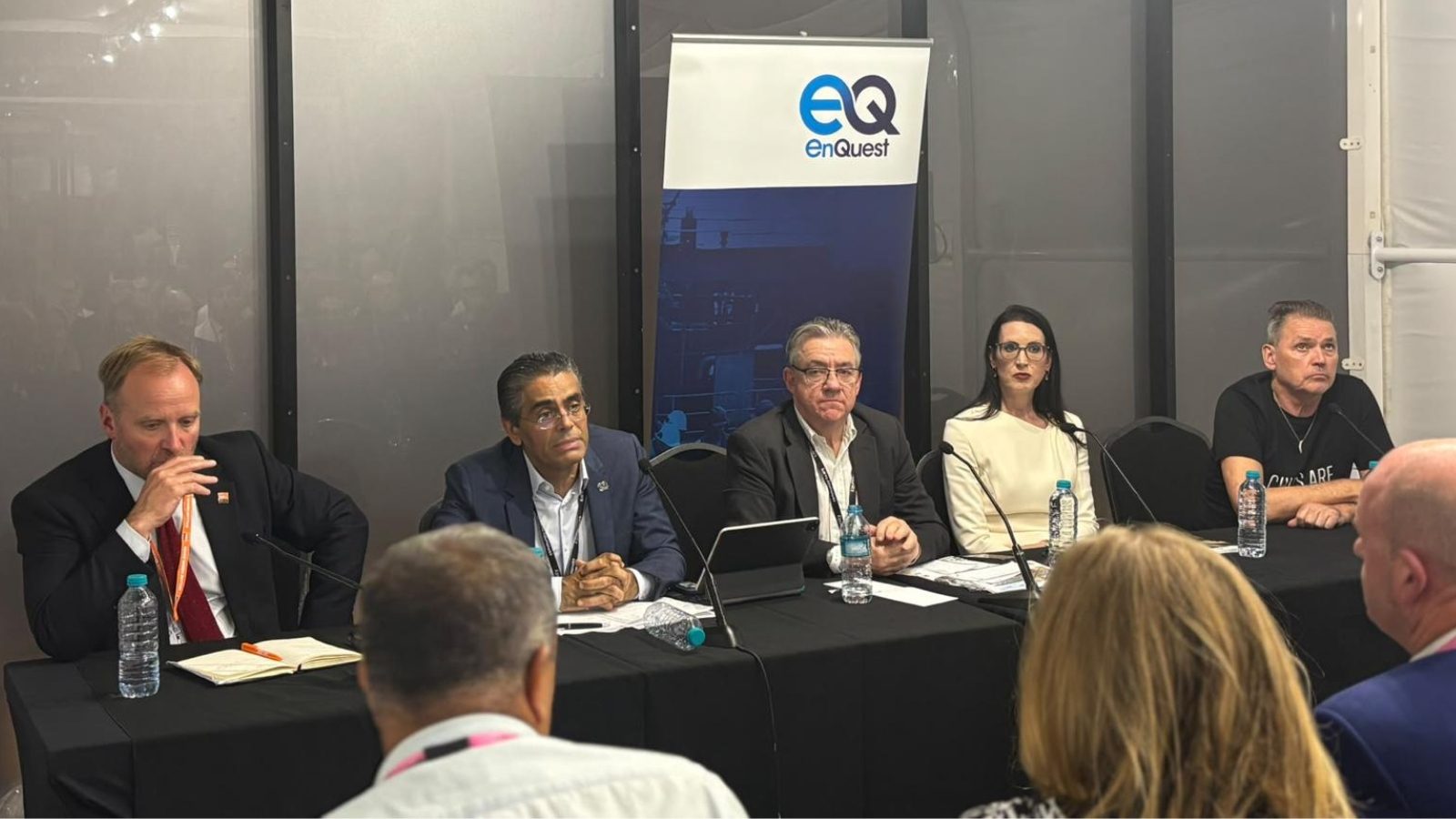
Dale Vince joins a lively debate about the future of the North Sea
Much of it centred on the uncomfortable reality set out in the North Sea Transition Taskforce’s recent One Year On report: we are losing oil and gas jobs and investment faster than we are creating the industries and employment that are supposed to replace them.
Today I have a one-to-one with Jonathan Reynolds, where I’ll be pushing for a simple but important change.
The government’s “Clean Energy” pillar of its Industrial Strategy should recognise domestic oil and gas production where it can be demonstrated to be less carbon-intensive than the imports we would otherwise rely upon.
Sometimes it can feel as though we are hitting our heads against a brick wall on this stuff. But we have to keep making the fact-based case - see North Sea Facts for more detail - because the consequences of getting this wrong stretch far beyond Aberdeen and the North-east.
That is why it was so disappointing that Chancellor John Healey and Energy Secretary Miatta Fahnbulleh managed to deliver their conference speeches yesterday without mentioning the North Sea at all.
Given the debate taking place around national security, energy security, economic growth and jobs, that is quite remarkable. Can they really not bring themselves to say the words “oil and gas”?
Industry has put forward more than 100 projects capable of unlocking £50billion of private investment and generating an additional £15billion in tax revenues.
That is money which could help fund defence, social care, cost-of-living support and the other priorities ministers are discussing here in Liverpool.
So why leave it lying on the table?
It makes little economic sense. And if the alternative is importing more oil and gas from overseas at a higher carbon cost, it makes even less environmental sense.