Allocation Round 7 (AR7) restored confidence in the UK's offshore wind sector, securing 8.4GW of new capacity and demonstrating there is still strong appetite to invest in renewable energy.
As the industry now looks towards AR8, however, the conversation needs to move beyond how many projects are awarded, the real challenge is ensuring those projects can be financed, reach Final Investment Decision (FID) and ultimately get built.
"As the industry moves into AR8, developers will need every available opportunity to reduce project cost and risk if projects are to remain commercially viable." says Mark Williamson, Chief Commercial Officer at Subsea Micropiles.
Winning a Contract for Difference (CfD) is an important milestone, but it is only the beginning. Commercial viability doesn’t end when a project secures a CfD, developers must still satisfy investors and lenders, reach FID and deliver projects in increasingly demanding offshore environments.
"Government, and Government agencies associated with processing consenting and approvals must all be at the top of their game, committing to support expedited consenting which allow developers to meet AR8 timelines. Anything less introduces risks to the round, and the industry can’t afford for AR8 to be a bust. It feels like this is a real danger at the moment,” Williamson says.
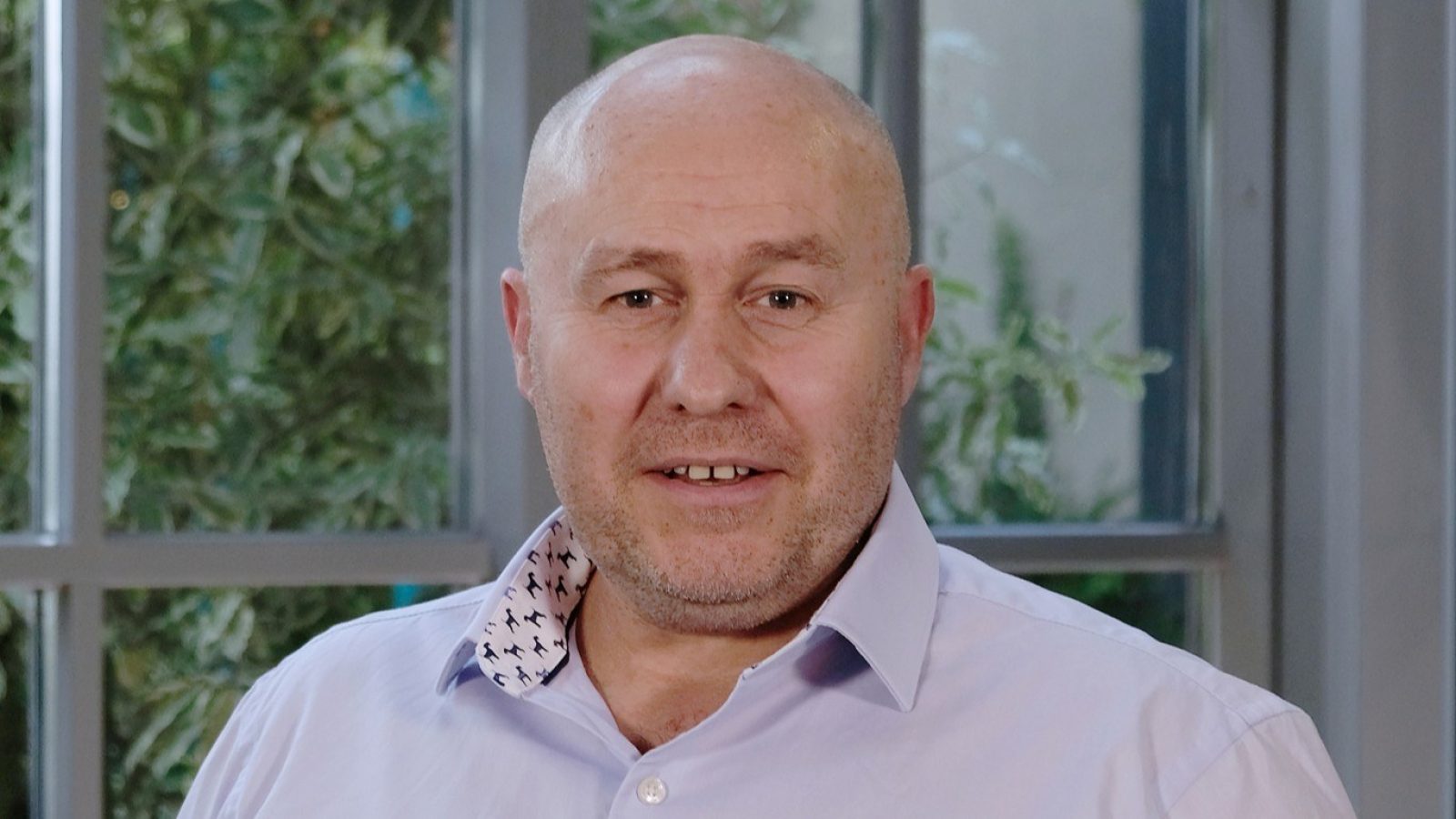
Mark Williamson, Chief Commercial Officer at Subsea Micropiles
Government changes for AR8, including the introduction of the new Other Deepwater Offshore Wind category, are therefore a welcome step. They recognise that the next generation of offshore wind projects will require different engineering approaches rather than relying solely on traditional fixed-bottom or floating solutions.
For Subsea Micropiles, this presents an opportunity to accelerate innovation in deepwater fixed offshore wind.
"A dedicated category for deepwater fixed wind could support technologies capable of extending fixed-bottom developments from around 60 metres to 120 metres water depth," says Mark. "That would also allow floating wind to move into the deeper waters where it is naturally better suited, reducing loads and bringing costs down."
"The industry needs to continue embracing innovation, while investing in the supply chain so it remains capable of developing and delivering new technologies.”
AR8 has the potential to build on the momentum created by AR7, but success should not be measured by capacity awards alone. It will be measured by whether projects are
commercially viable, reach construction and whether the UK supply chain is given the confidence to invest for the long term.