NHS Grampian's Innovation Hub is working in partnership with the Scottish Ambulance Service (SAS) and the Highlands and Islands Transport Partnership (HITRANS) on a project to develop guidance to support the adoption of drones in healthcare services.
It’s hoped the new guidance,
which is being supported by the Department for Transport and the Future Flight
Social Insight research programme at the University of Birmingham, will support
other public bodies in the future. The aim is that this will act as a blueprint
for service providers to understand the practical steps required to ensure new
systems are safe, secure and trusted by the public. It builds on the Innovation
Hub’s learning from drone trial projects including CAELUS and SATE, which
helped to demonstrate the potential for drones to enable faster and more
flexible transport options for emergency care and medical supplies in remote
and rural areas.
The Flight Path to Trust
project provides clarity on the requirements public sector organisations
wishing to use drones need to consider before engaging with the aviation
sector. It will help to make sure public services are better placed to progress
this kind of innovation and help the UK realise the economic benefits of this
trade.
Dr Andy Keen, Clinical
Director of Innovation at NHS Grampian explained: “Flight Path to Trust
represents an important step in helping health services understand how emerging
drone technologies can be safely, ethically, and effectively embedded into the
delivery of high quality healthcare. Our collaborative approach is shaping
practical guidance that will support services across the country make informed
decisions about future adoption as this technology evolves.
“By enabling faster access
to critical supplies, diagnostics and specialist support, this technology has
the potential to save lives and help patients get the care they need more
quickly. This can, in turn, improve health outcomes and reduce longstanding
inequities in how care is delivered.”
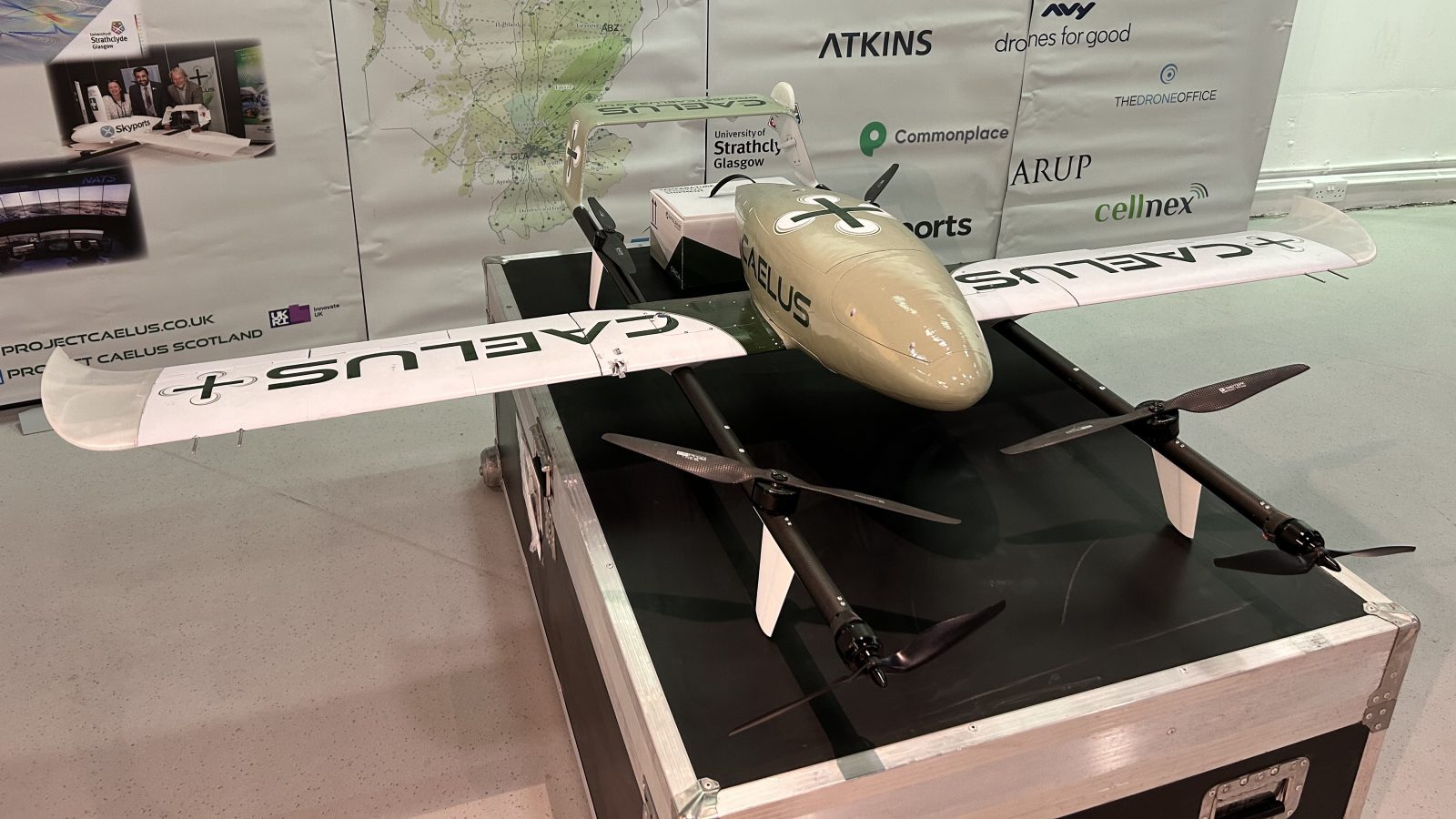
Logistics and emergency care can be particularly challenging for health services in remote and rural areas. The introduction of aviation technology could add to the suite of transport options available to NHS and SAS staff in the future to move items quickly between locations. It has the potential to not only improve connectivity between healthcare facilities but also support the redesign of services in years to come to deliver services closer to people’s homes.
Professor Paul Gowens from the Scottish Ambulance Service said: “Drone-enabled logistics and emergency support has the potential to support our crews and enhance patient care. Our involvement in the Flight Path to Trust project ensures that frontline operational expertise has been built into the guidance from the outset, helping to ensure it is practical, safe and aligned with real world pre-hospital and emergency response needs.”
Dawn Gillies, Sustainable Aviation Development Manager from HITRANS, added: “The Flight Path to Trust project has delivered vital insights into how uncrewed aerial systems can be safely and effectively integrated into NHS operations. The work has helped demonstrate how future flight technologies can strengthen healthcare delivery across the HITRANS region. This is an important step toward a more resilient, responsive, and sustainable public‑sector transport ecosystem.”
For more information, or if you are aware of promising emerging healthcare technology that NHS Grampian may be able to evaluate for real world use, please email gram.innovation-hub@nhs.scot