PCN Action Scotland, a Scottish Government-funded initiative has successfully delivered the largest potato cyst nematode (PCN) knowledge exchange programme ever undertaken in Scotland, marking a significant milestone in the fight against one of the most damaging threats to the potato industry.
The multi-partner project, led by The James Hutton Institute, working in partnership with SAC Consulting, SRUC, Scottish Agronomy, SoilEssentials, BIOSS, the Plant Health Centre, and Science and Advice for Scottish Agriculture (SASA), concluded with an end-of-project meeting at the Hutton’s Invergowrie campus.
The project was established in response to the growing crisis posed by PCN, microscopic soil-borne pests that drastically reduce potato yields and are notoriously difficult to control. PCN are currently considered the most serious pest and disease threat to the UK’s potato sector, with projections suggesting they could lead to the collapse of the Scottish seed potato industry by 2050 if left unmanaged.
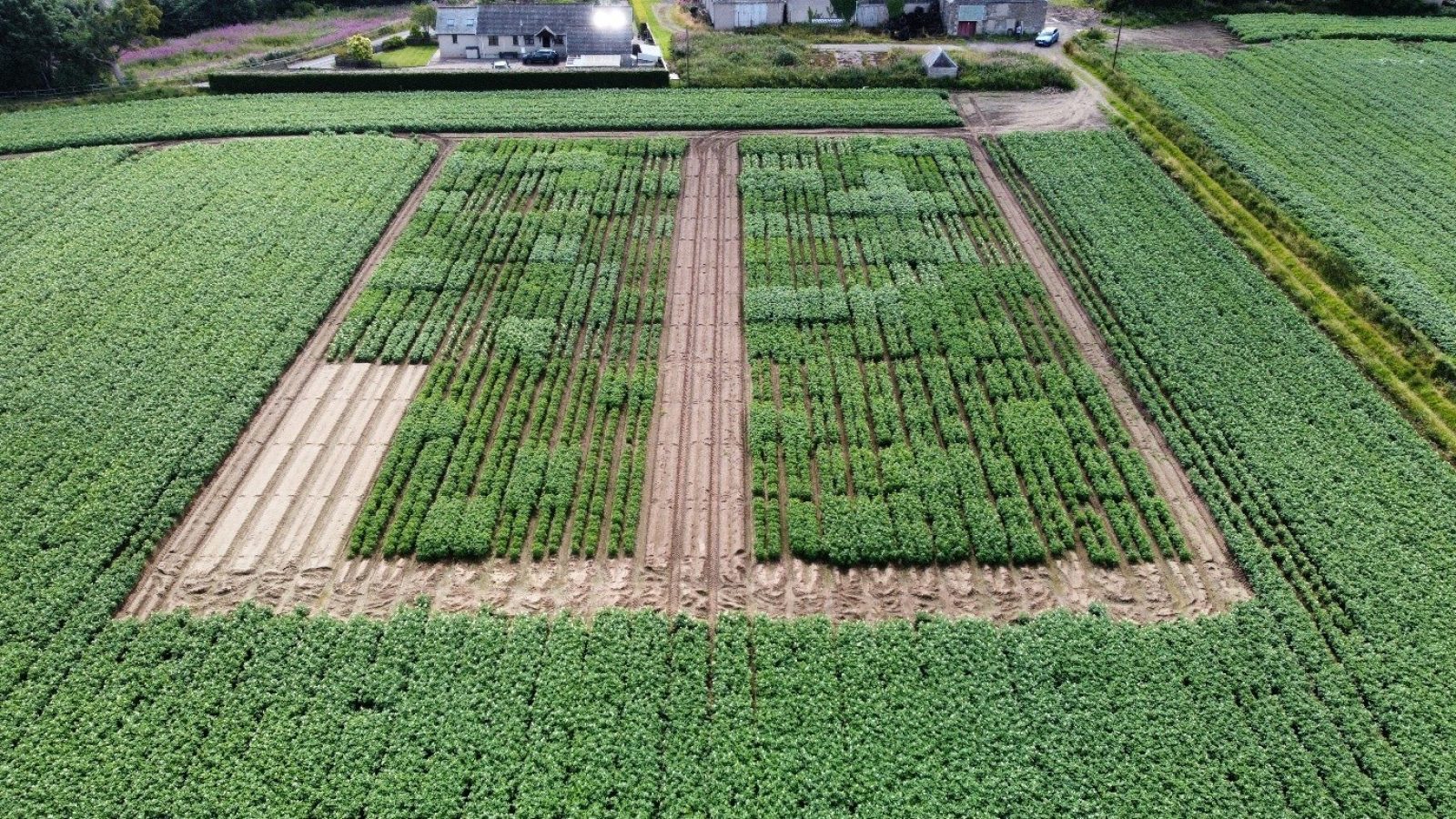
PCN Action Scotland potato variety trial
Dr James Price, Project Lead and Plant Nematologist at the Hutton, acknowledged that while measurable reductions in PCN populations cannot yet be confirmed due to current rotation lengths, the programme has already had a meaningful impact on industry practices.
“We simply don’t know if the project has helped reduce PCN yet,” he explained. “With potatoes grown on a six-year rotation, it is difficult to link changes in PCN populations to this five-year project. However, we can clearly see that the project has increased the sector’s capability to implement change. It has encouraged growers to reconsider traditional varietal choices and adopt more PCN-resistant crops.”
Dr Price added that long-term behavioural and strategic changes across the industry will be essential in tackling the issue.
“Maintaining dialogue and adapting attitudes will be key to overcoming this challenge,” he said.
The Hutton is home to the National Potato Innovation Centre (NPIC), a partnership dedicated to finding scientific solutions to the challenges facing the potato industry, including disease control, climate resilience and sustainable farming systems. Through advanced technologies such as robotics, drones, artificial intelligence and precision agri-tech, NPIC aims to accelerate the development of improved potato varieties.
Its Director, Professor Ian Toth, highlighted the collaborative success of this initiative. He said: “Scotland is small enough to work together but big enough to make a difference and this project is an ideal example of that.”
Holly Hume, Production Manager at McCain Potatoes, who attended the meeting said: “The PCN Action Scotland project has generated incredibly important information for our industry and the knowledge transfer sessions throughout the project have been well received by the grower base.
“It was great to hear from a wide variety of speakers who have been involved with aspects of this project. I hope pieces of work like this continue as their research is invaluable to the potato industry and the challenges we will continue to face.”
PCN Action Scotland has gained recognition at national, European, and global levels. Project members are set to participate in an international stakeholder workshop at the 36th European Society of Nematology in the Netherlands in June. The team will also maintain a presence at Potatoes in Practice, Scotland’s premier outdoor potato event, hosted by the Hutton, and have been invited to present their work at the World Potato Congress in Kenya.
As the project concludes, its legacy lies in transforming industry awareness, fostering collaboration, and equipping Scotland’s potato sector with the knowledge and tools needed to respond to the ongoing PCN challenge.
More information is available on the PCN Action Scotland website.